
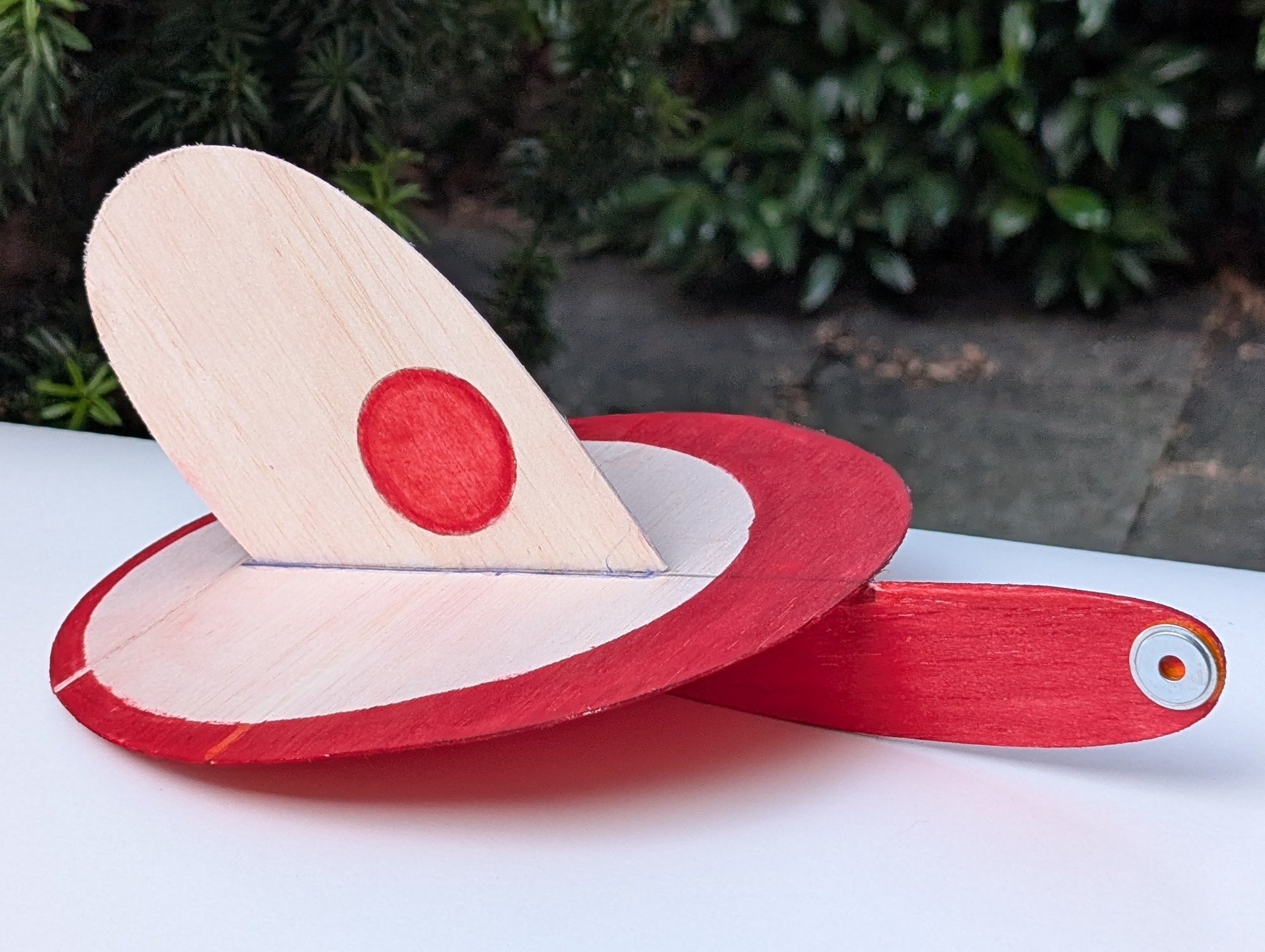
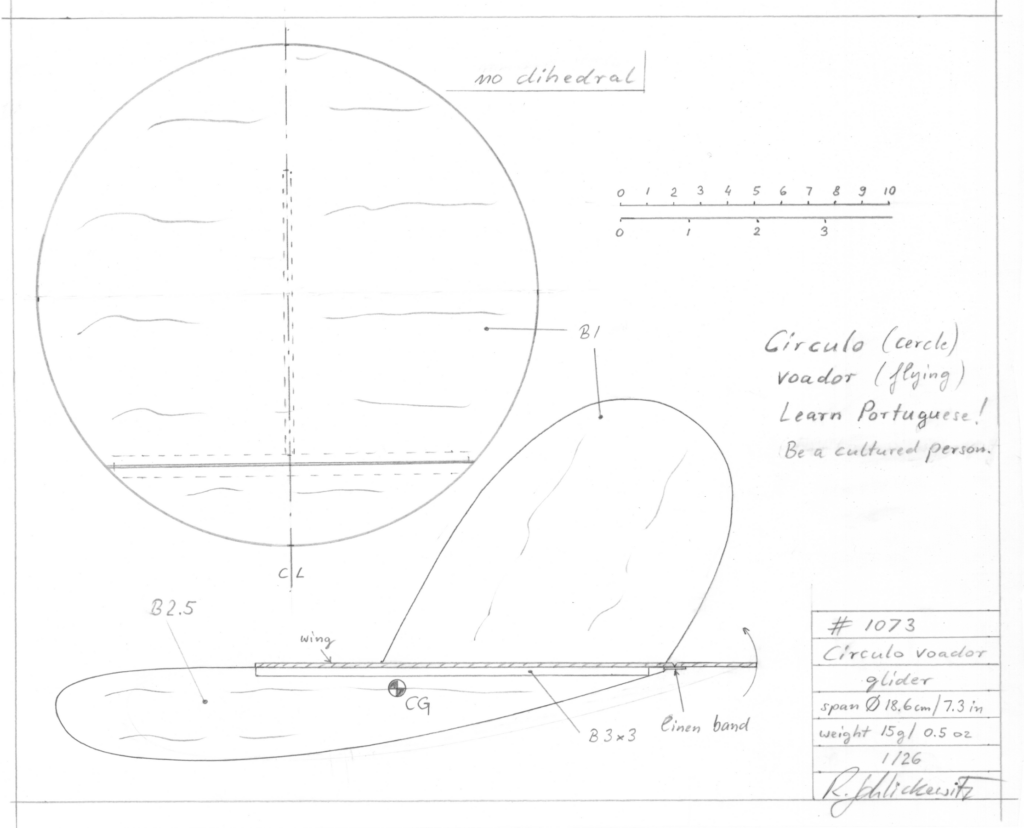
Span 18.6 cm diameter / 7.3 in
Weight 15 g / ½ oz
The concept:
- Circle wing tailless design
- Easy to build
- Few parts
Name is Portuguese as you may have guessed. Translation is easy as it translates into Flying Circle.
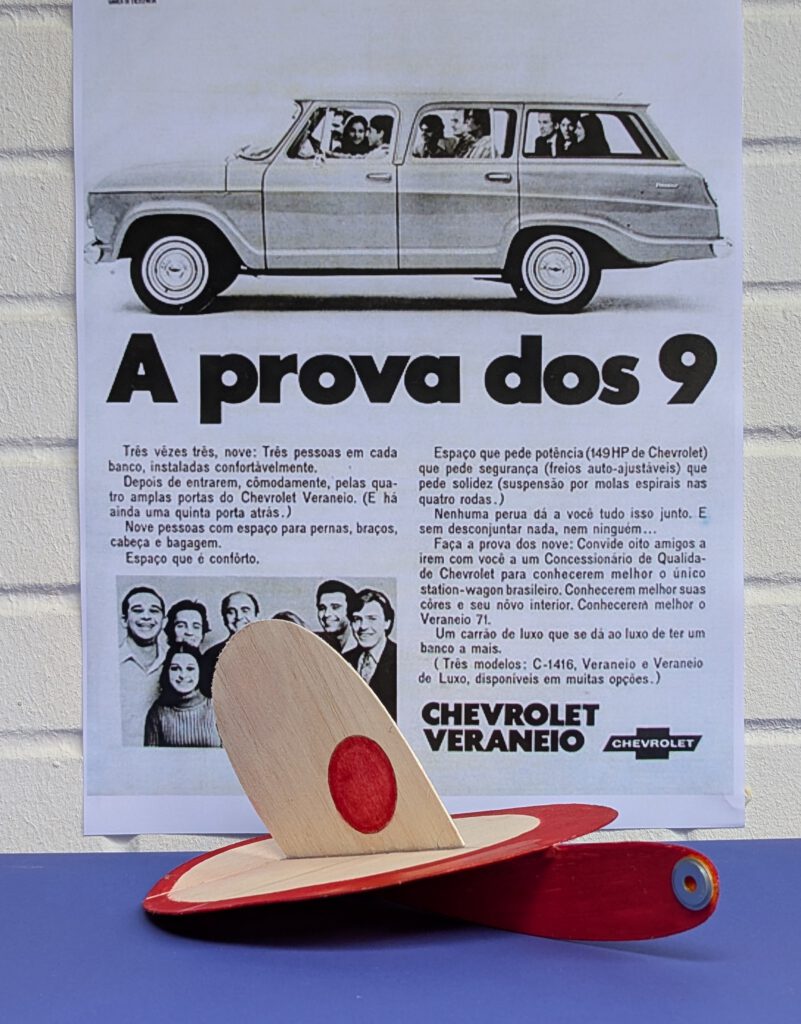
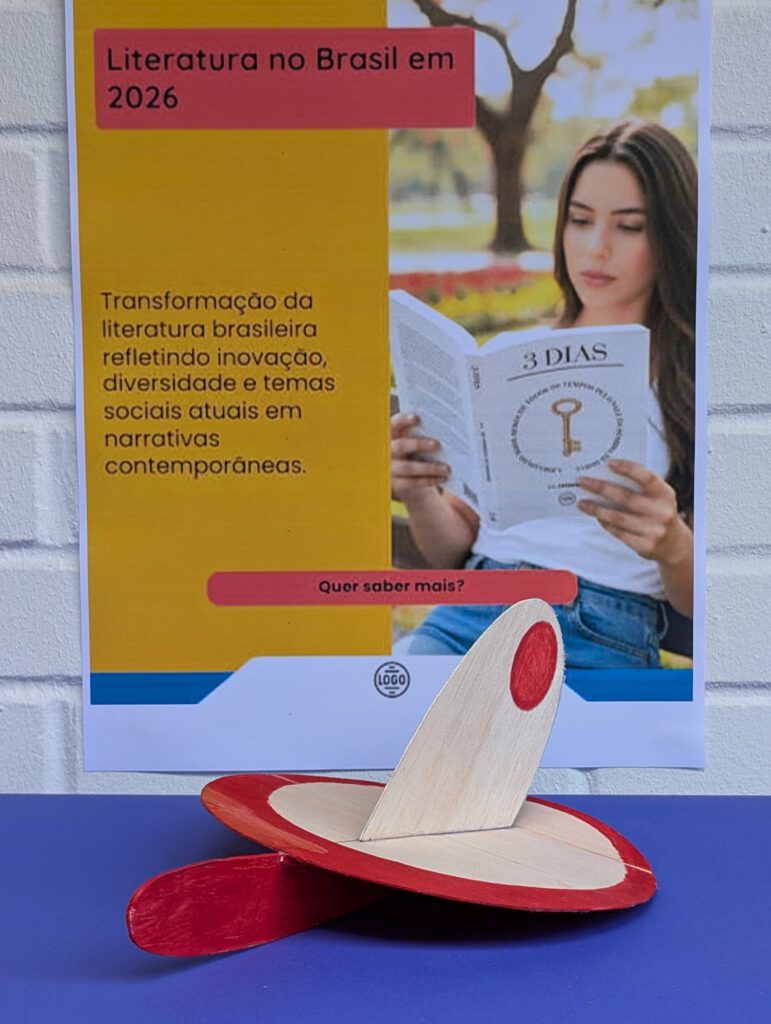
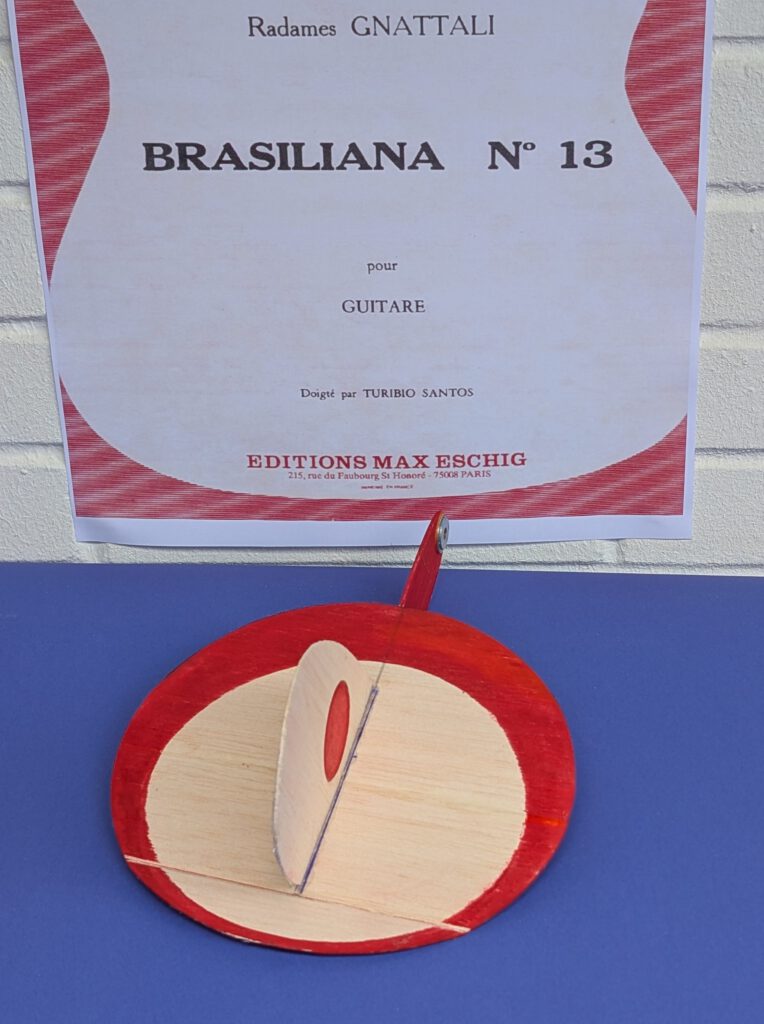
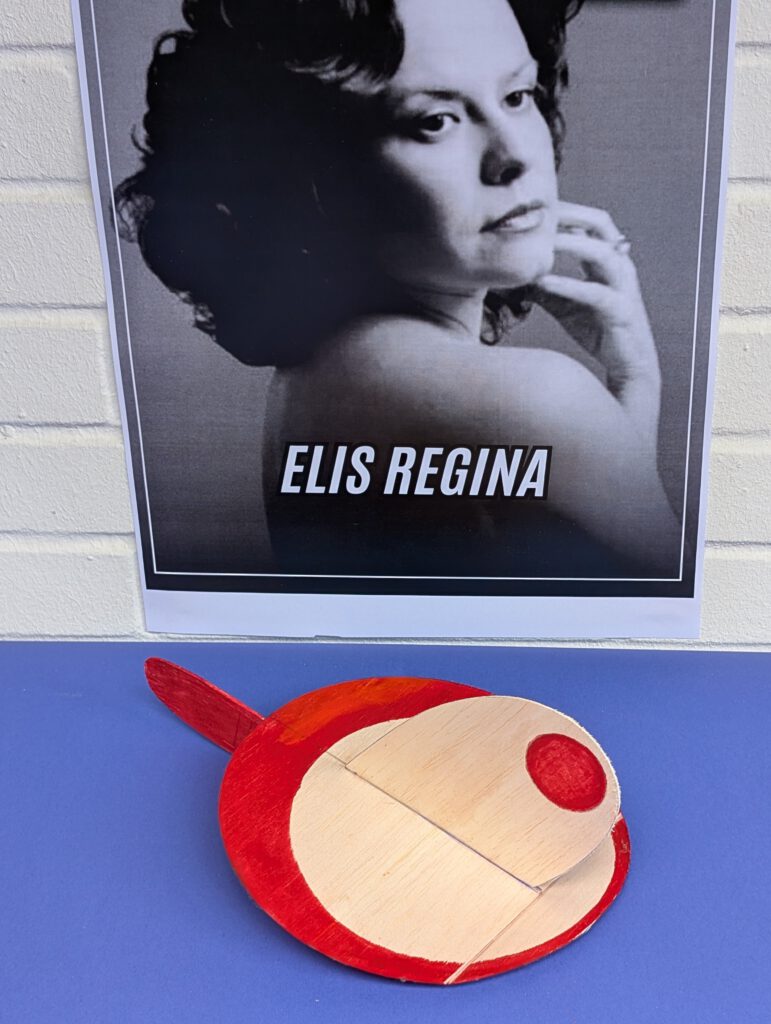
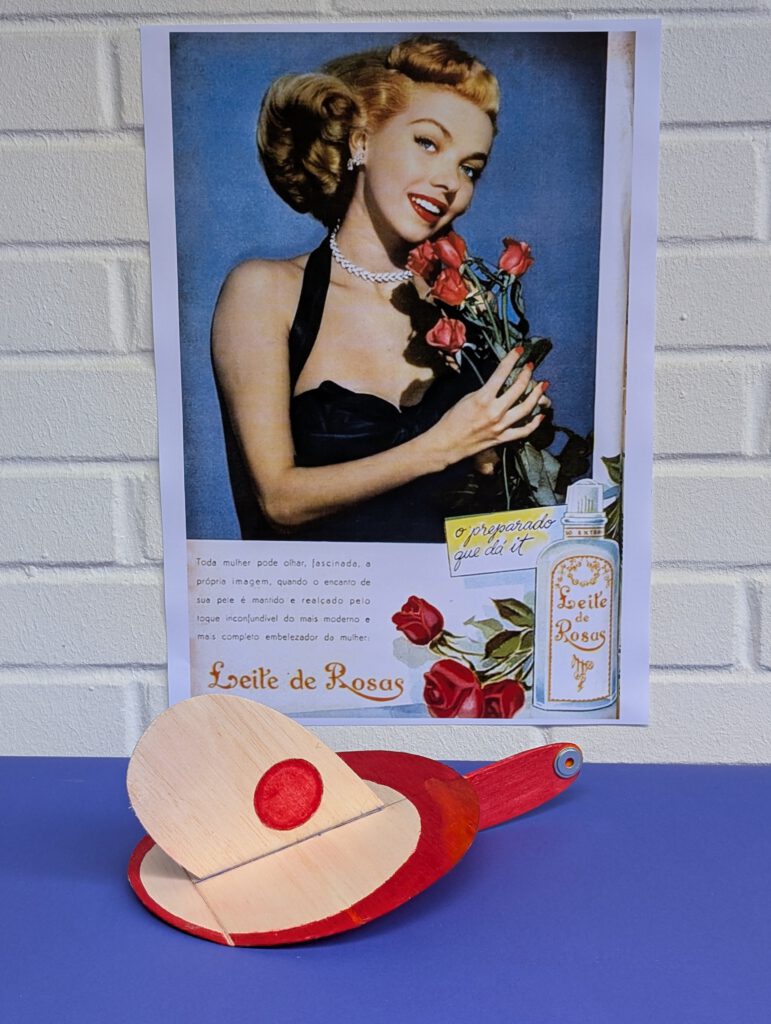
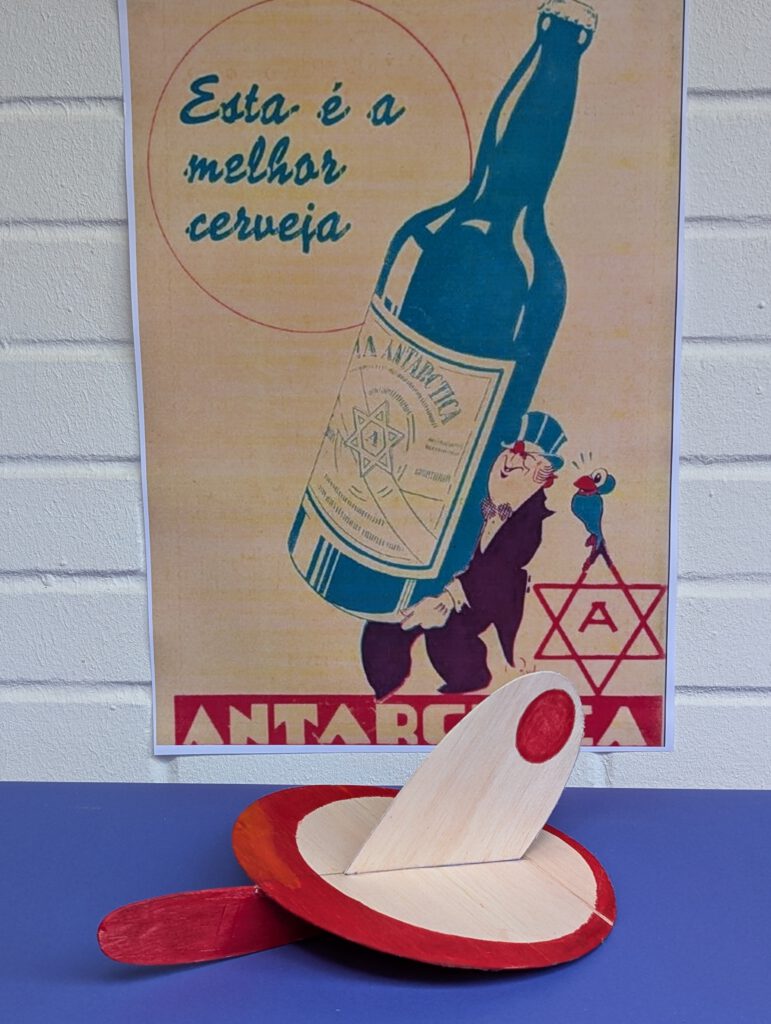
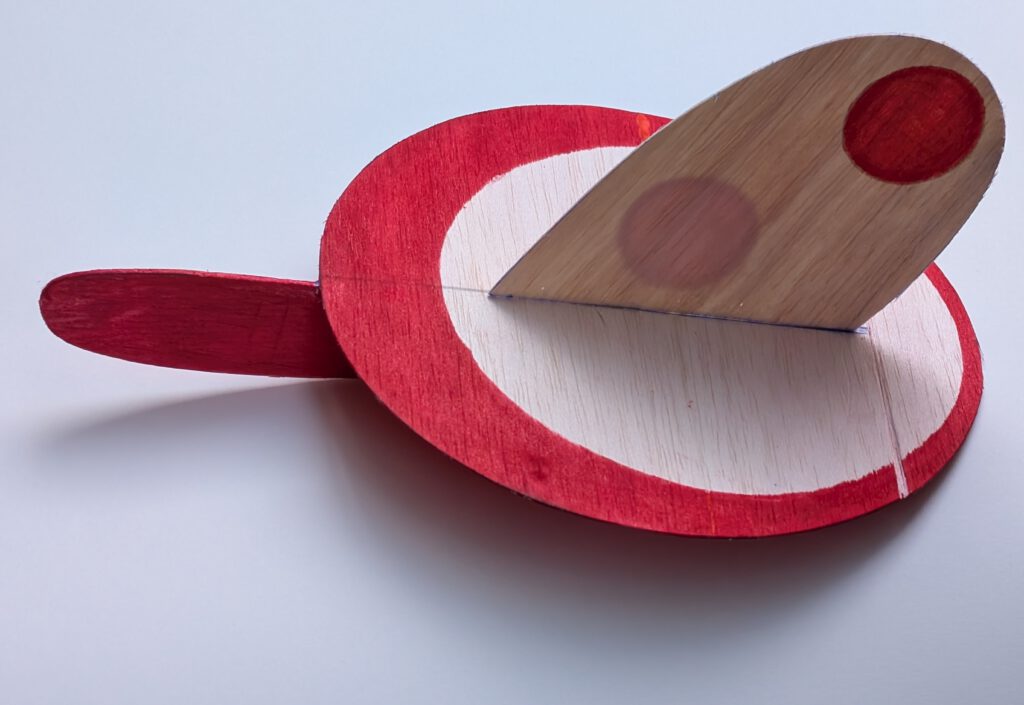
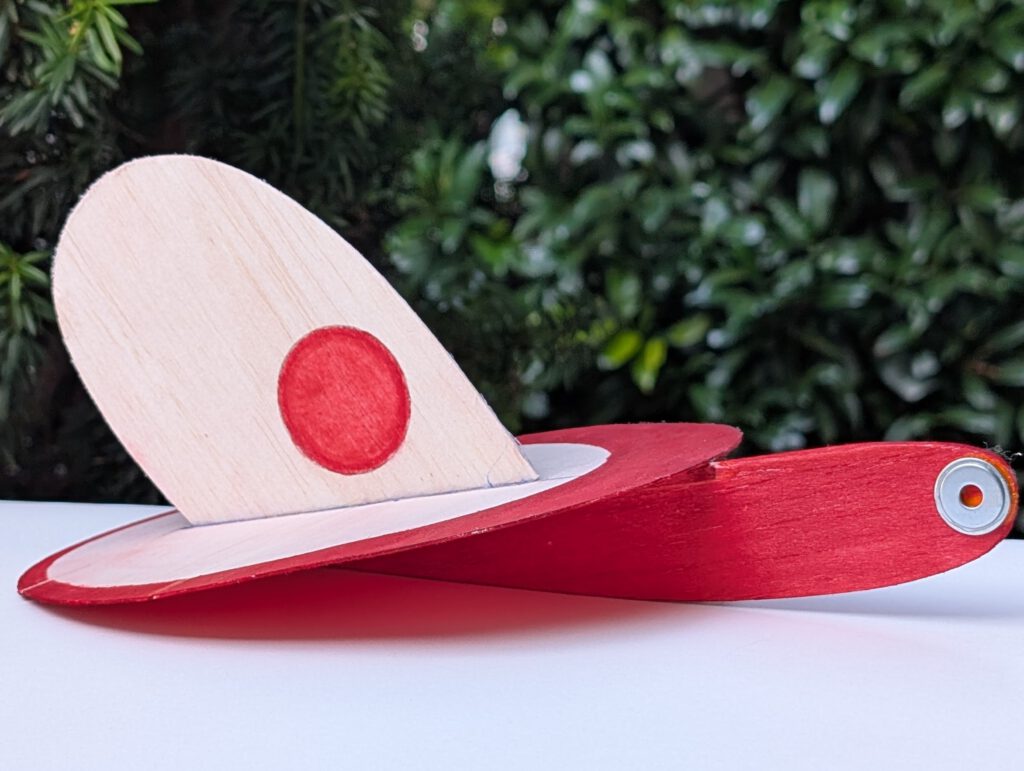
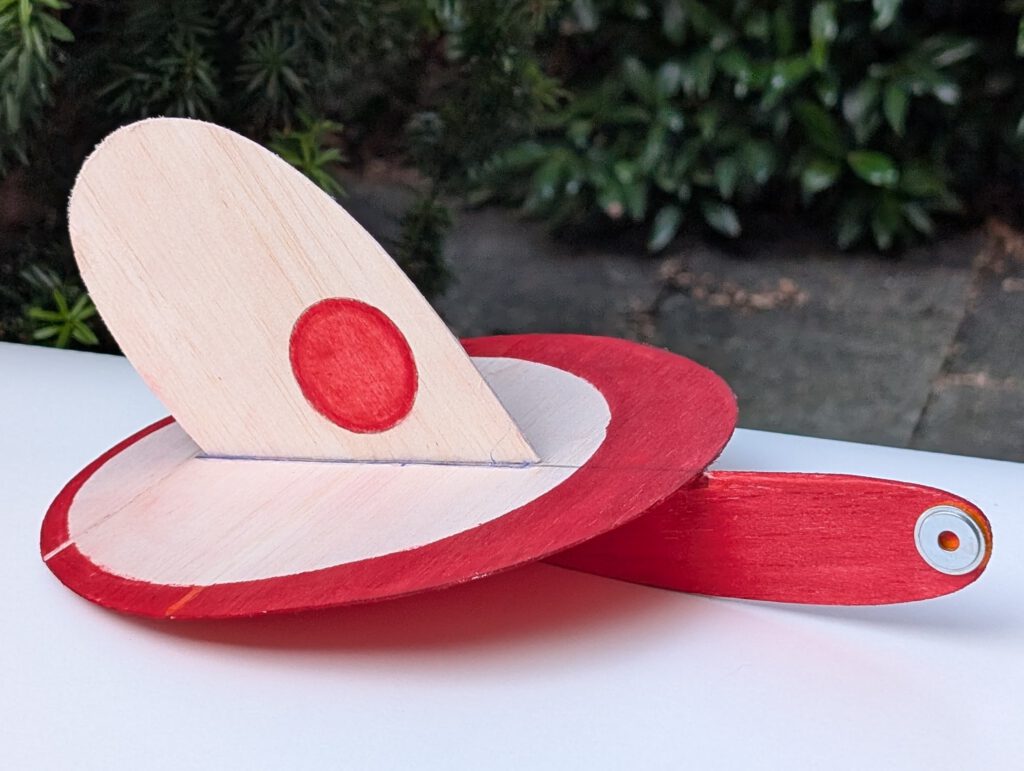
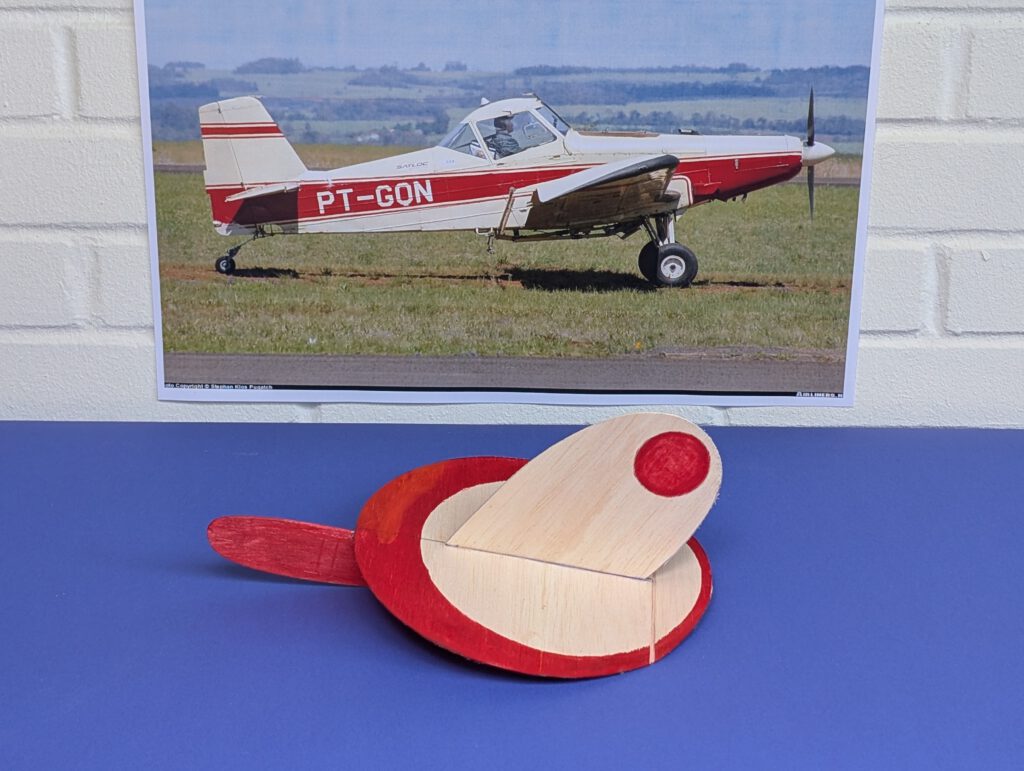
Building the tailless balsa sheet glider Circulo voador.
Materials:
Fuselage: soft B 2.5; wing: B 1; wing supports: B strips 3 x 3; fin: B 1; linen/cotton band width 12 mm / ½ in; ballast: small piece of lead or scrap metal.
Assembly:
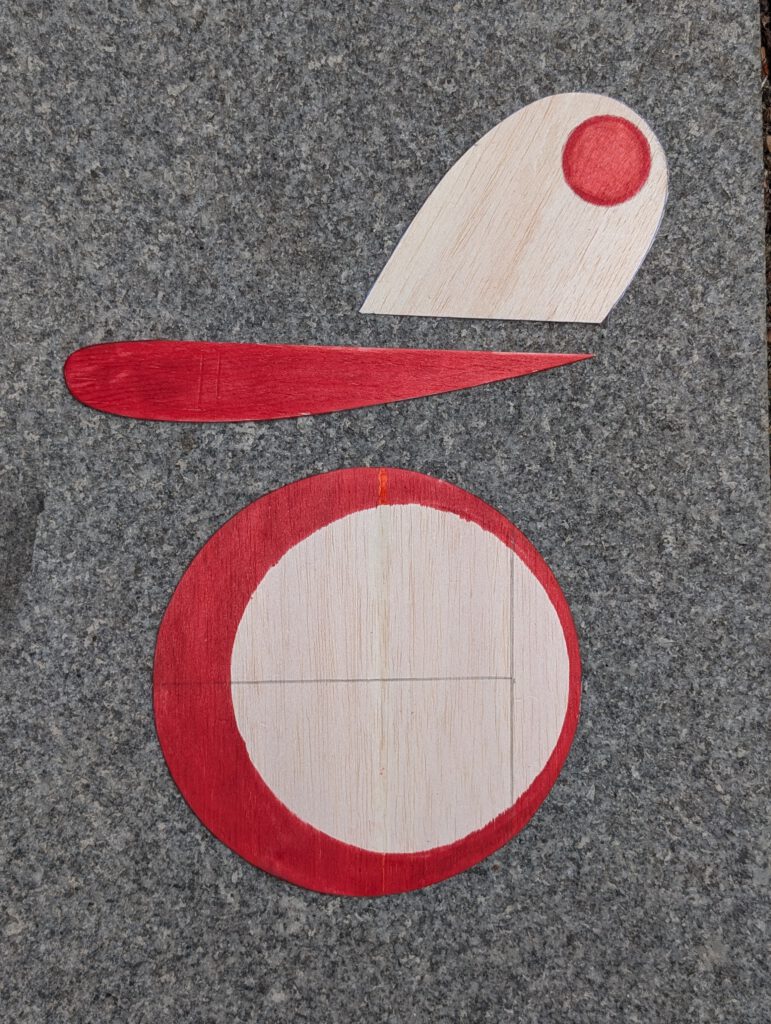
Cut out all balsa parts (photo). Sand well.
Fuselage:
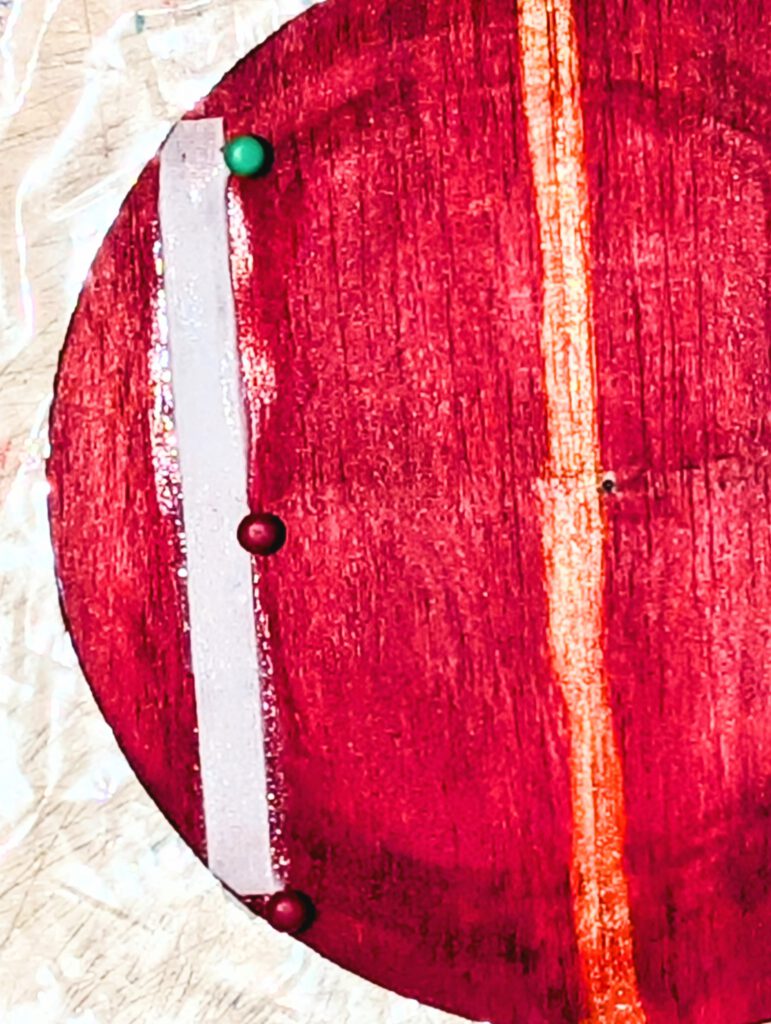
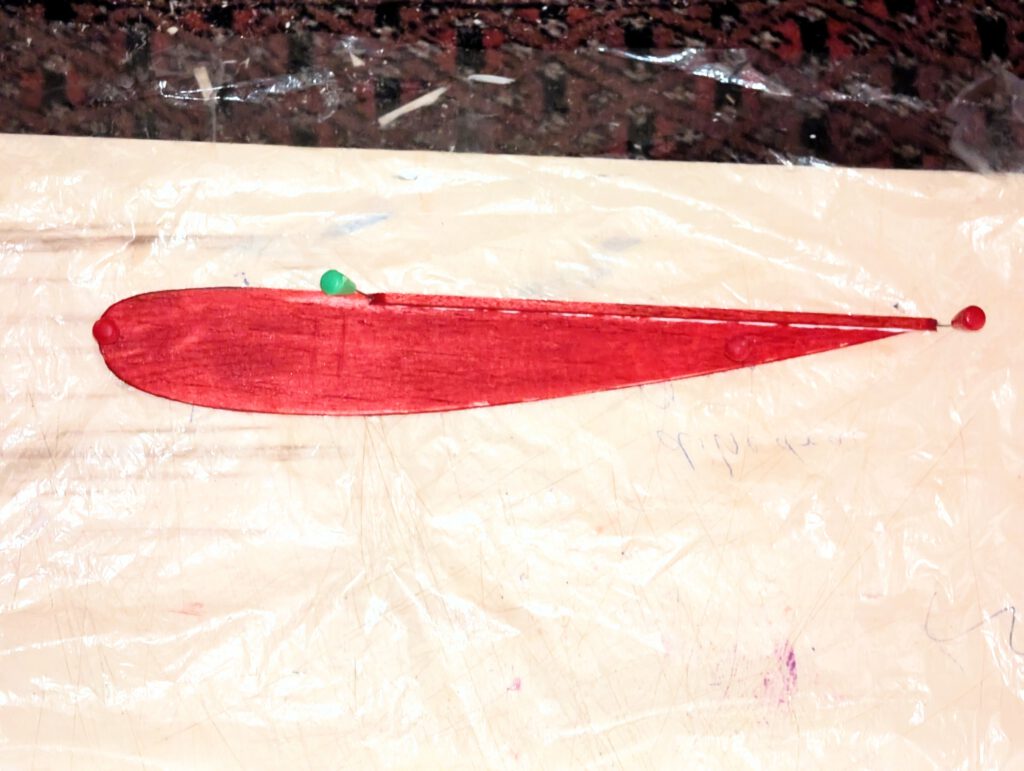
Apply color to fuselage part. Cement wing support strips on right fuselage side. Use clamps or pins and let dry (photo). Repeat procedure on left side.
Wing:
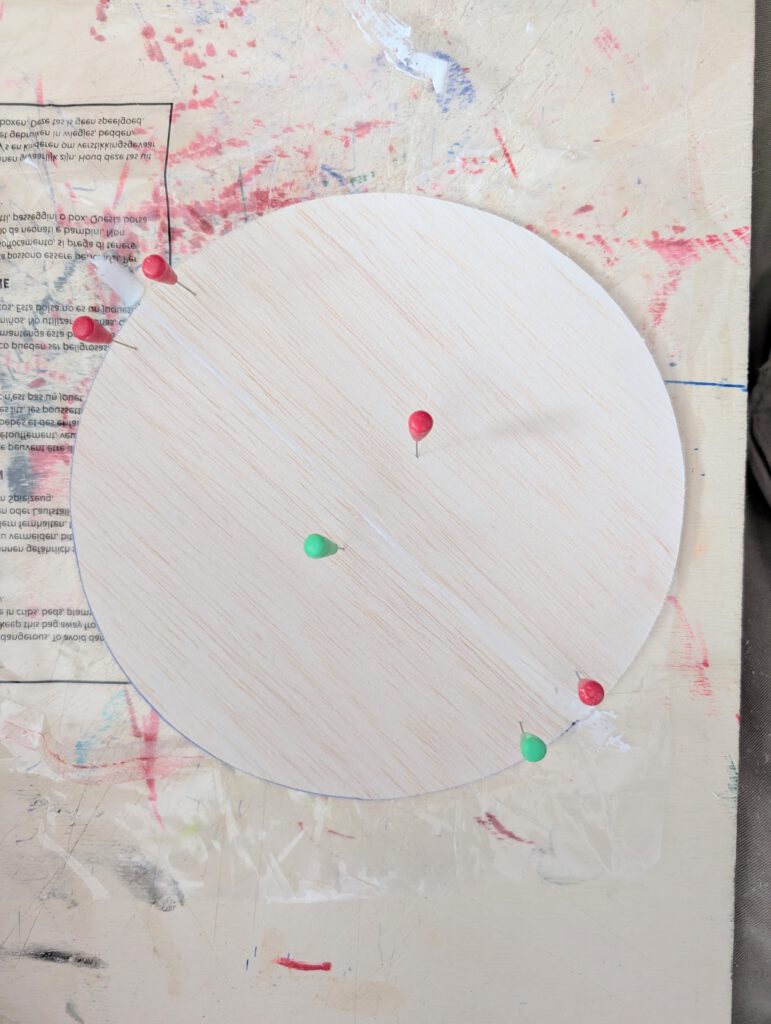
Cement wing sheet parts one to the other with the help of some pins and let dry. Sand and apply color if desired.
Cut out elevon part. Turn wing on its underside and cement elevon with linen/cotton band in its place. Must be movable, as a tailless design with a flat profile needs an upright elevon to behave stably in the air.
Fin:
Apply color.
Final Assembly:
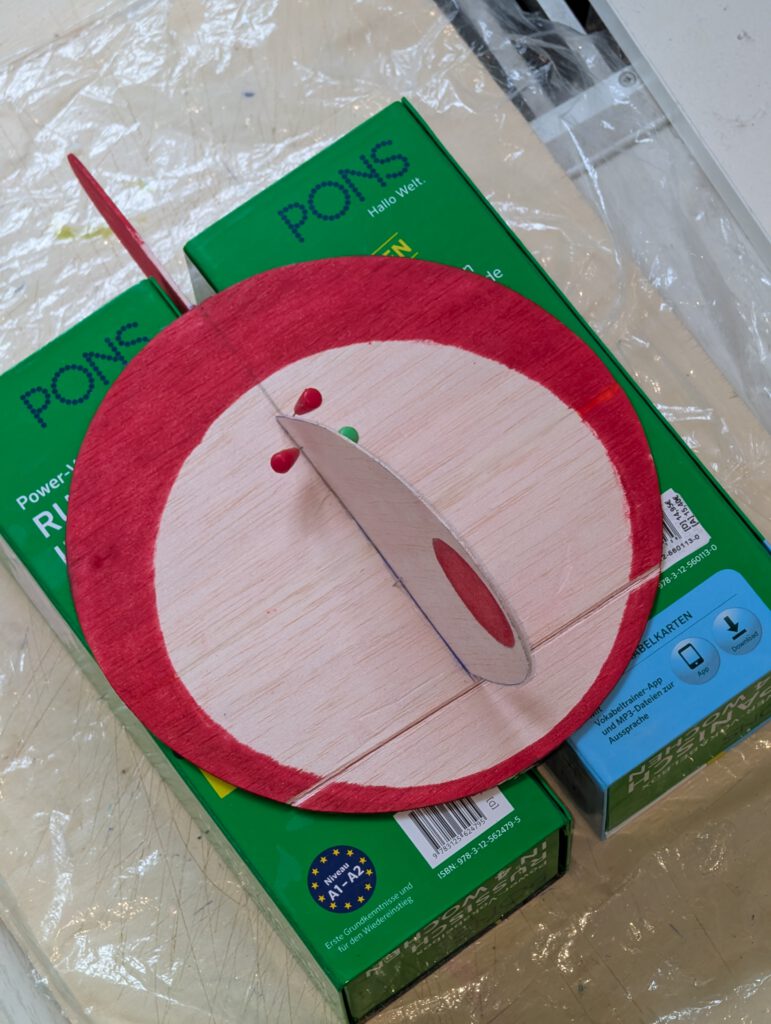
Cement wing on fuselage and put the assembly on two books or boxes of the same size with the fuselage hanging between both as shown on photo. Visual check from all sides for obtaining symmetry. Let dry. Pins can be used to facilitate process.
Pin and cement fin on assembly and let dry. Watch out for best symmetry.
Balance model in accordance to given CG on plan and start test flying. Look for the best position of the elevon. A lower upright position will allow longer flights, a steeper position renders your model into a boomerang as it will loop and come back to you. Build model as light as possible to obtain best results. Your model should be ten to twenty percent lighter than mine.
Buon volo! (ugodan let!)
Leave a Reply