
-
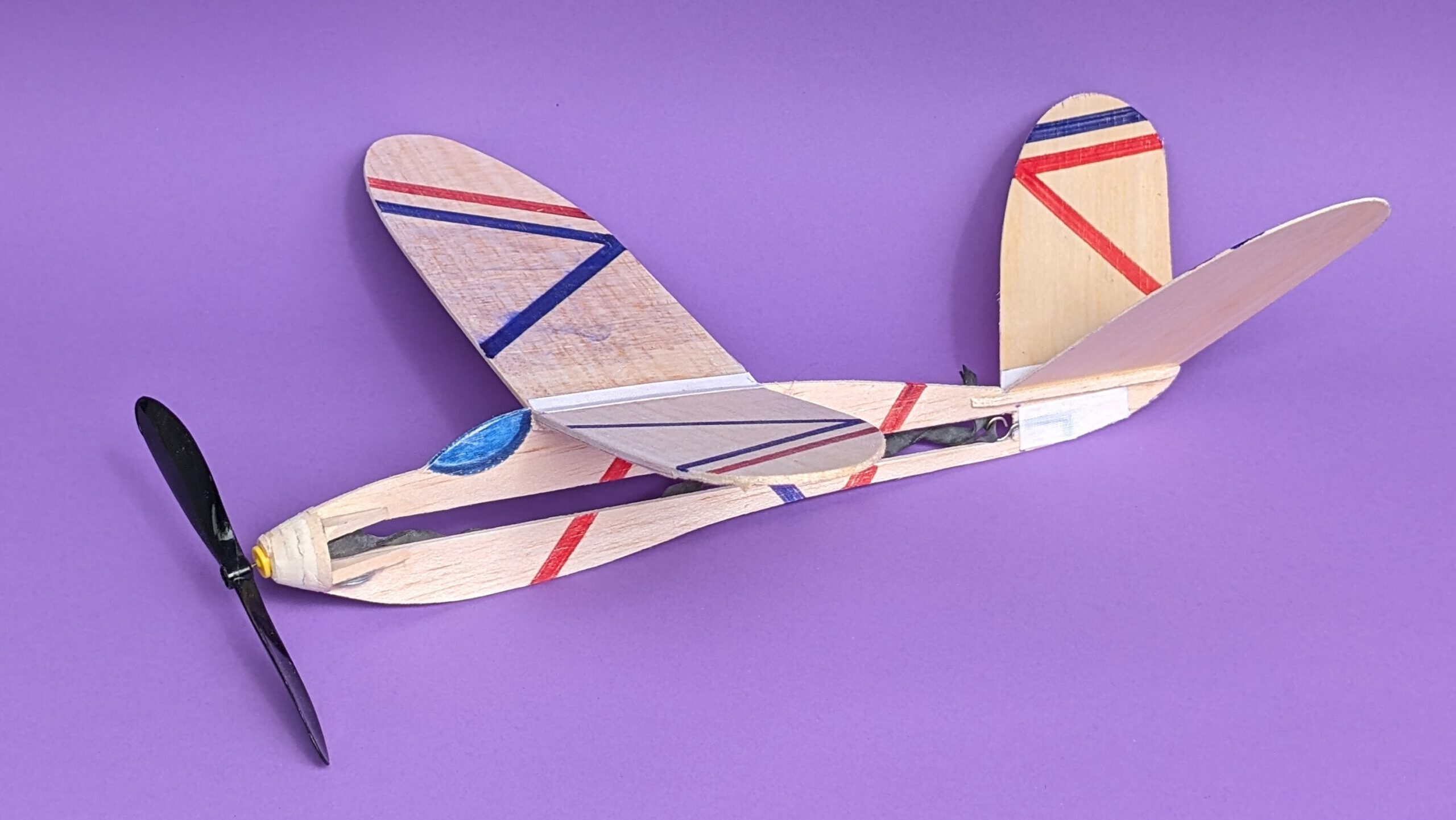
2002 Borboleta menor rubb.
Easy-to-build balsa model with few parts, a V-tail, and solid flight performance. Named for its butterfly-like shape, Borboleta menor means “small butterfly” in Brazilian Portuguese. This version features a built-in rubber motor; an RPU 20 version is also available.
-
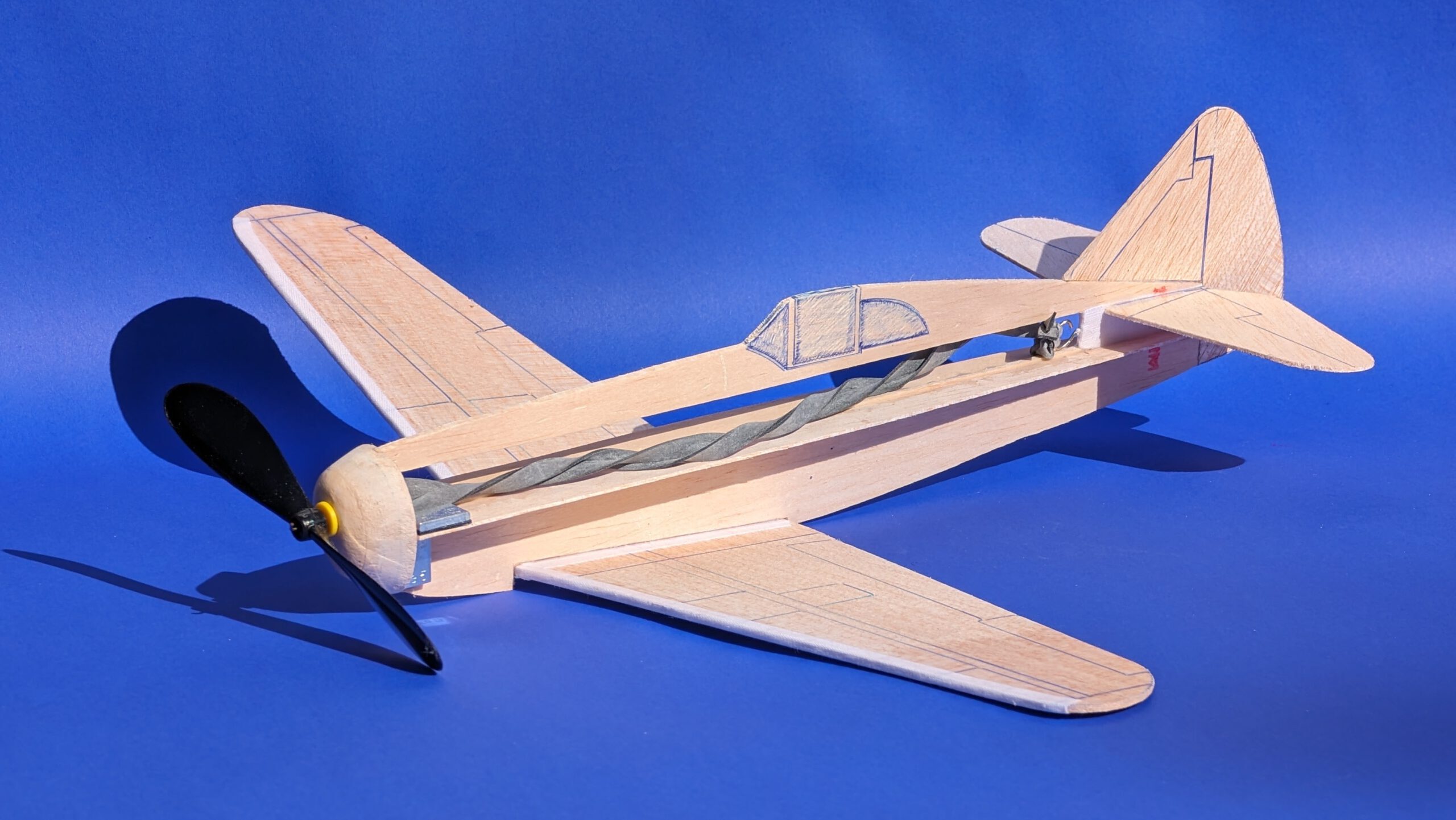
2001 Dewoitine D. 520 rubb.
The Dewoitine D.520 was a French fighter aircraft of the Second World War. First flight took place in October 1938 and only in 1953 retirement of the plane occured. Operators of the Dewoitine were not only France but Bulgaria, Italy and Nazigermany. The D.520 had a wingspan of 10.2 m / 33 ft 6 in…
-
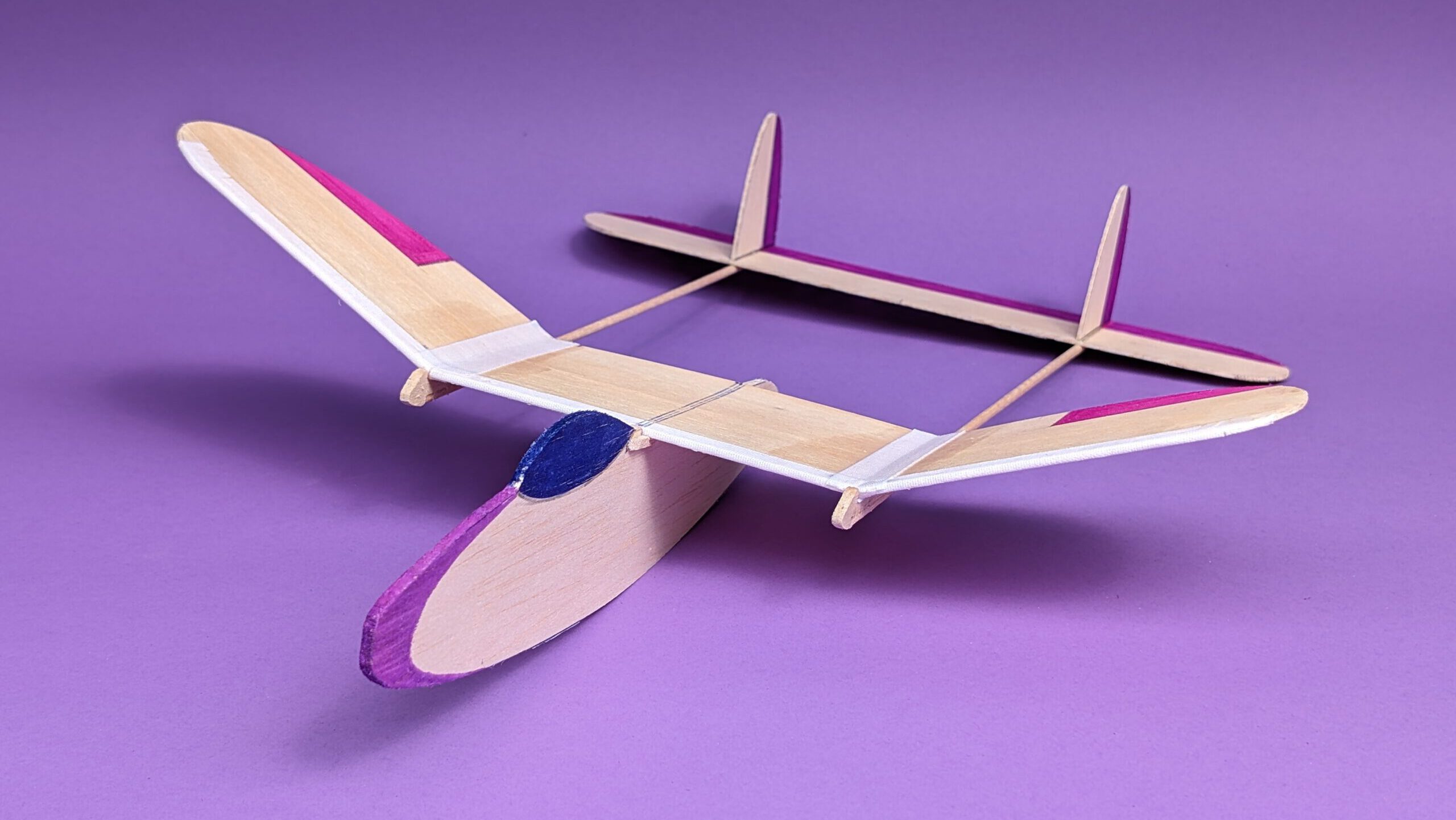
1035 Still life in purple HLG
A compact twin-boom balsa glider with clean lines and dual use as a hand-launch glider or RPU. Easy to build with simple materials like balsa, skewers, and linen banding. Features reinforced wing joints and adjustable balance. Stable, light, and smooth in flight.
-
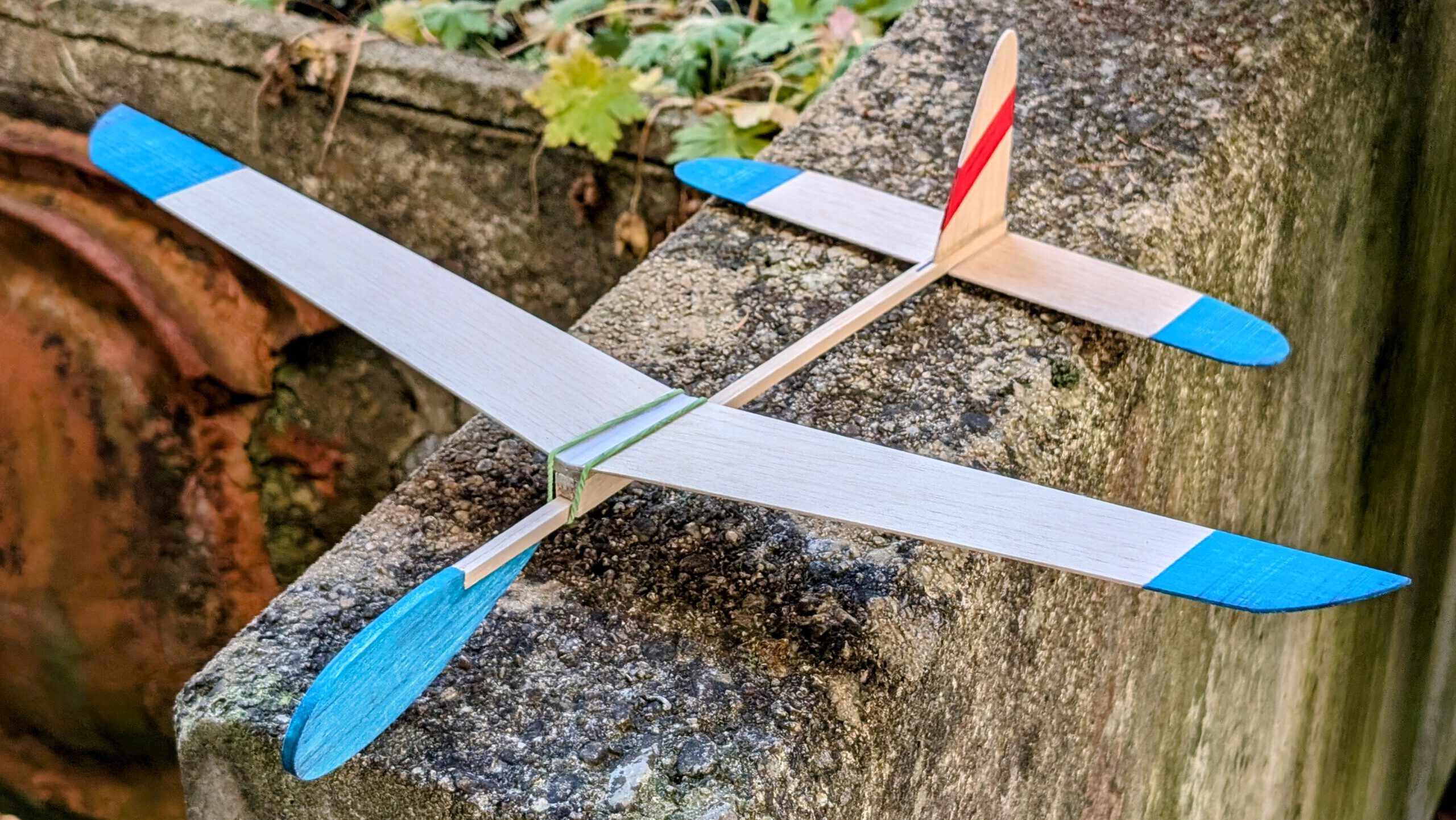
1033 Bunch of simple HLGs
Simple balsa gliders with interchangeable parts: five wing styles, four fins, five nose types, and two tail options. Wing position adjustable for center of gravity. Held together with a single rubber ring. Designed for easy building and reliable flight performance. Build, test, adjust — and enjoy smooth hand launches.
-
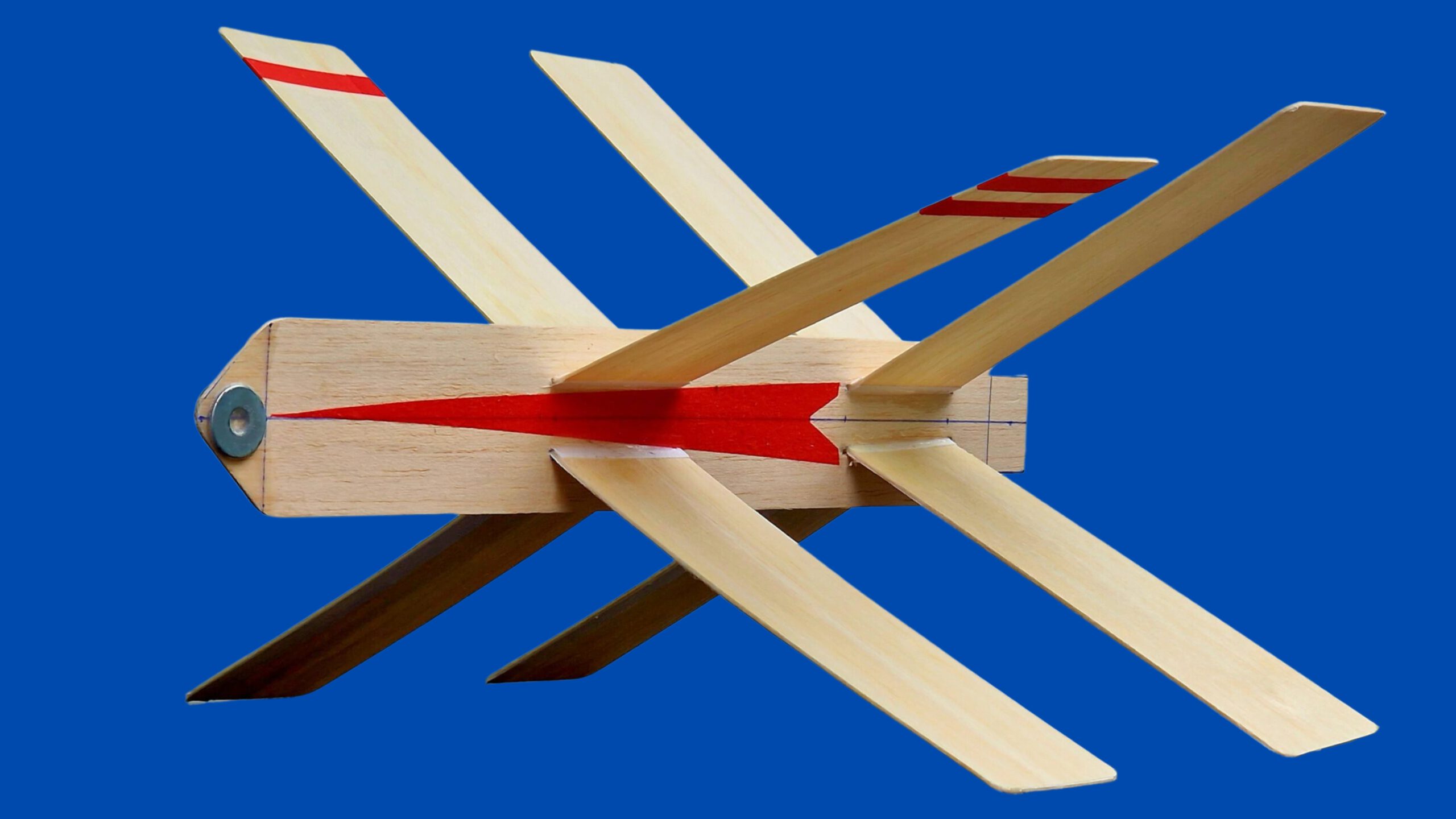
1026 Double X’er glider (X-wing)
Regularly going through various defence reports one certain design caught my attention, that of the Russian kamikaze drone Lancet. A sleek fuselage and eight wings – this would be quite a challenge!
-
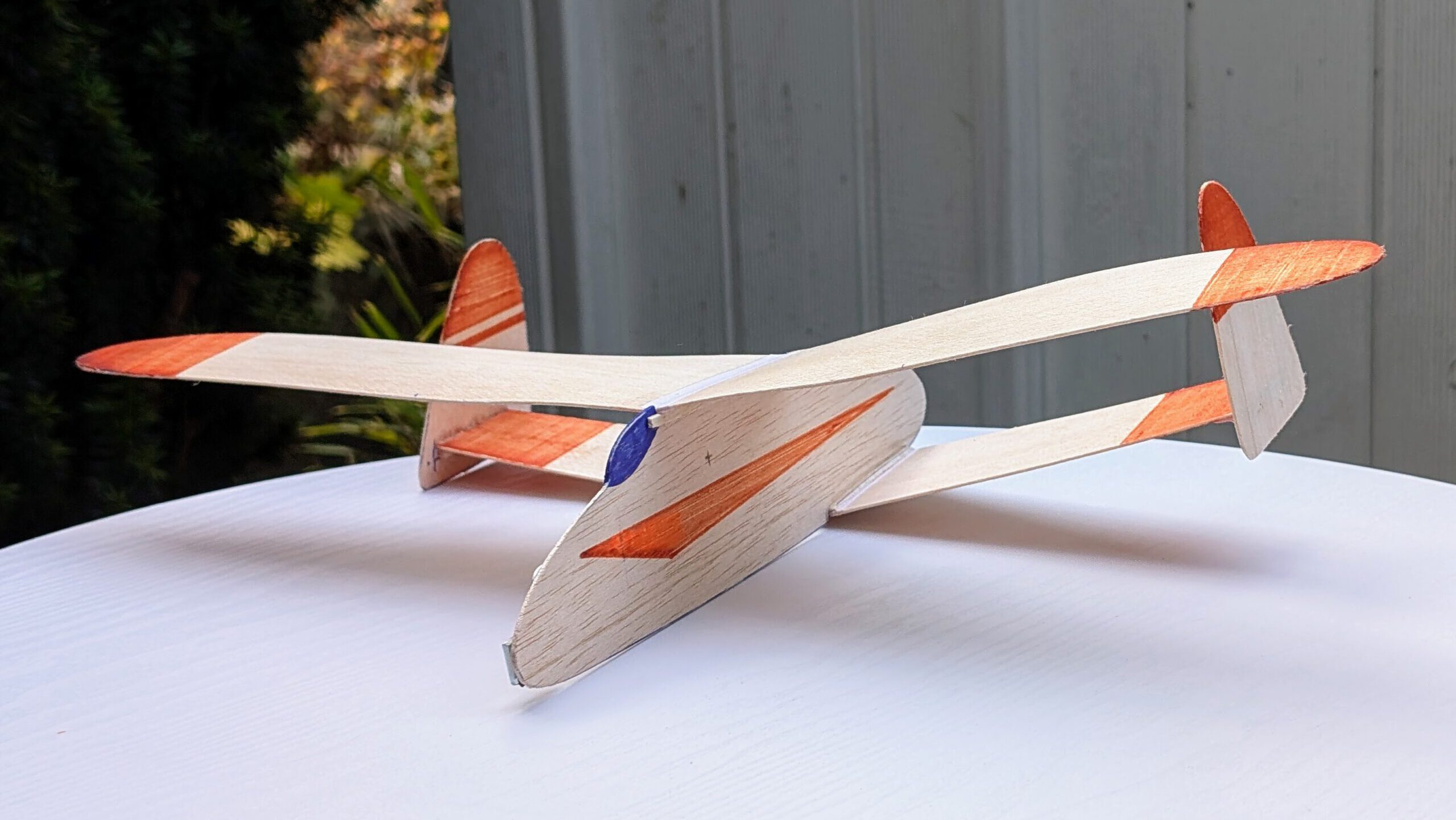
1025 Duo mono mod. MINI
The original Duo Monoplane was a Jetex (rocket) powered model by Bill Dean published in 1952 January issue of Aeromodeller magazine. I liked its appearance and its concept as a tandem wing model. So I only altered a bit the distance between both wings, the planform of the main wing and draw the bottom line…
-
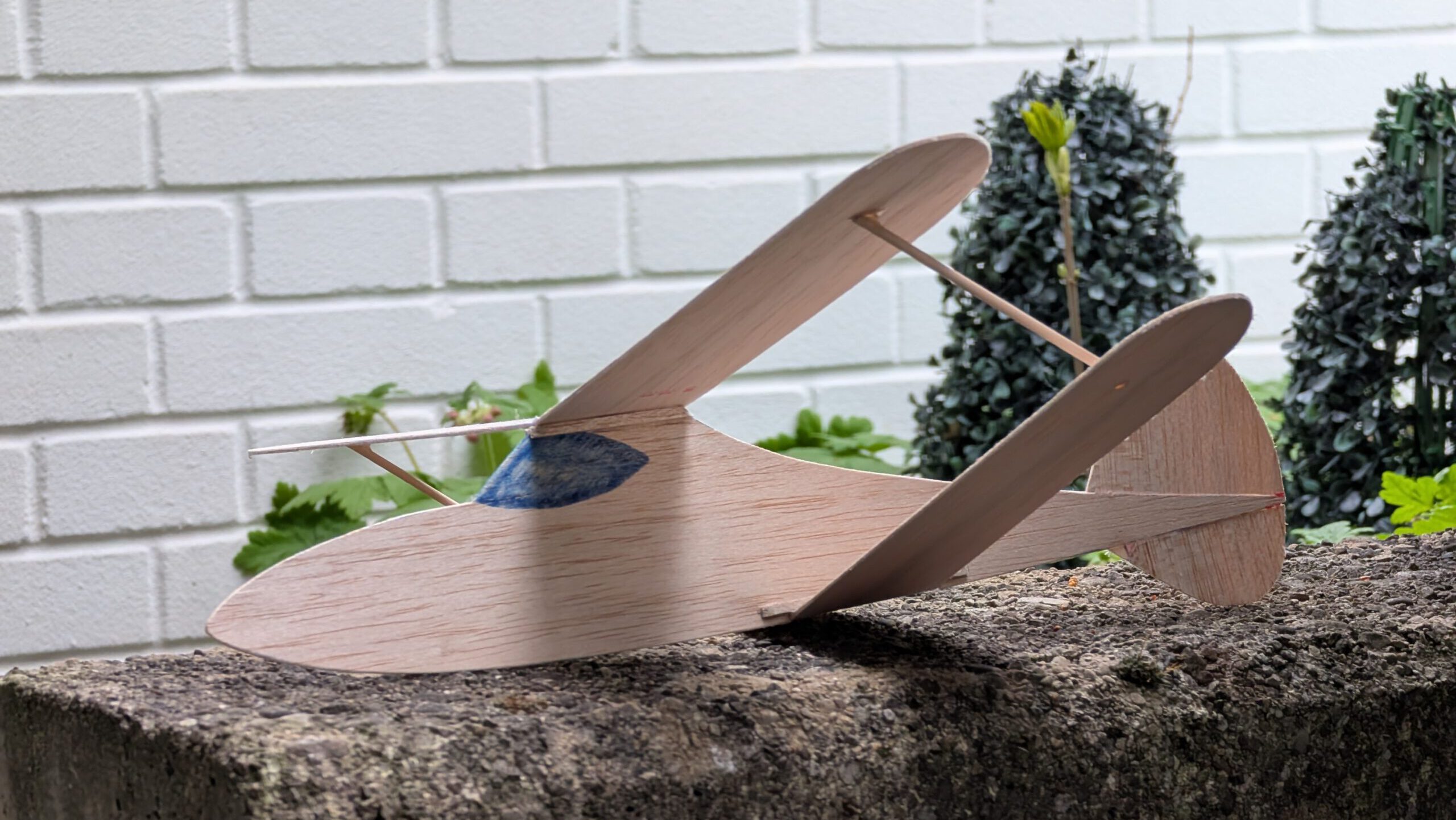
1024 Whatsit Glider
The original Whatsit was a model by Frank Ehling (1914-2001) published in the 1/1942 issue of Airplane News. – What made the Whatsit so distinctive and unique was that no one could tell for sure what it really was. — Was it a biplane without a horizontal stab? Was it a twin flying wing? Was…
-
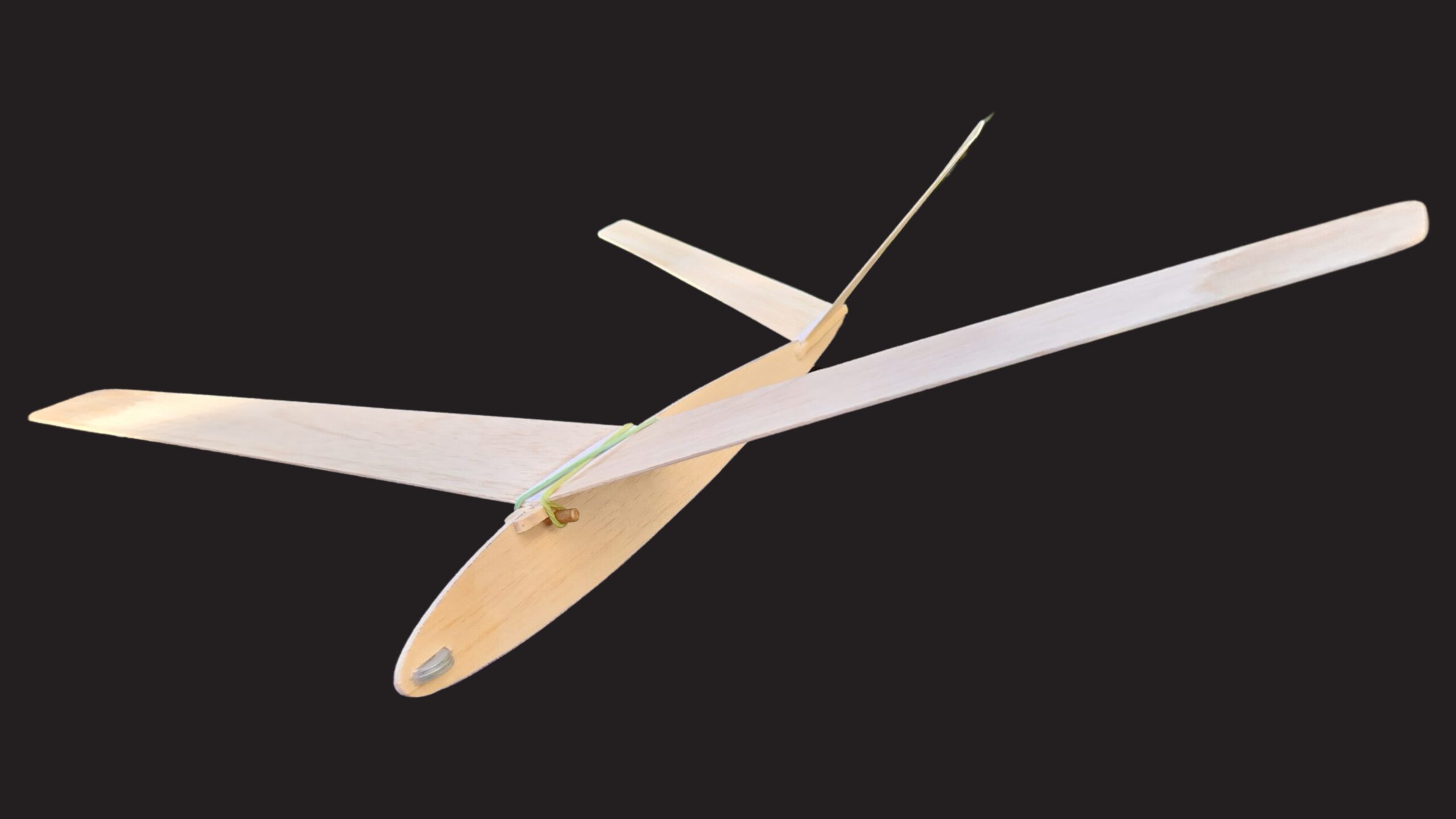
1023 Lomir gejn tanzn!
Designed for easy building with few parts: detachable wing, V-tail, and basic materials like balsa, bamboo, and linen. Reinforced for durability. Rubber rings secure the wing and tail. Center of gravity is key for smooth flights. “Lomir gejn tanzn” means “Shall we dance!” in Yiddish.
-
1022 Mitey Atom mod.
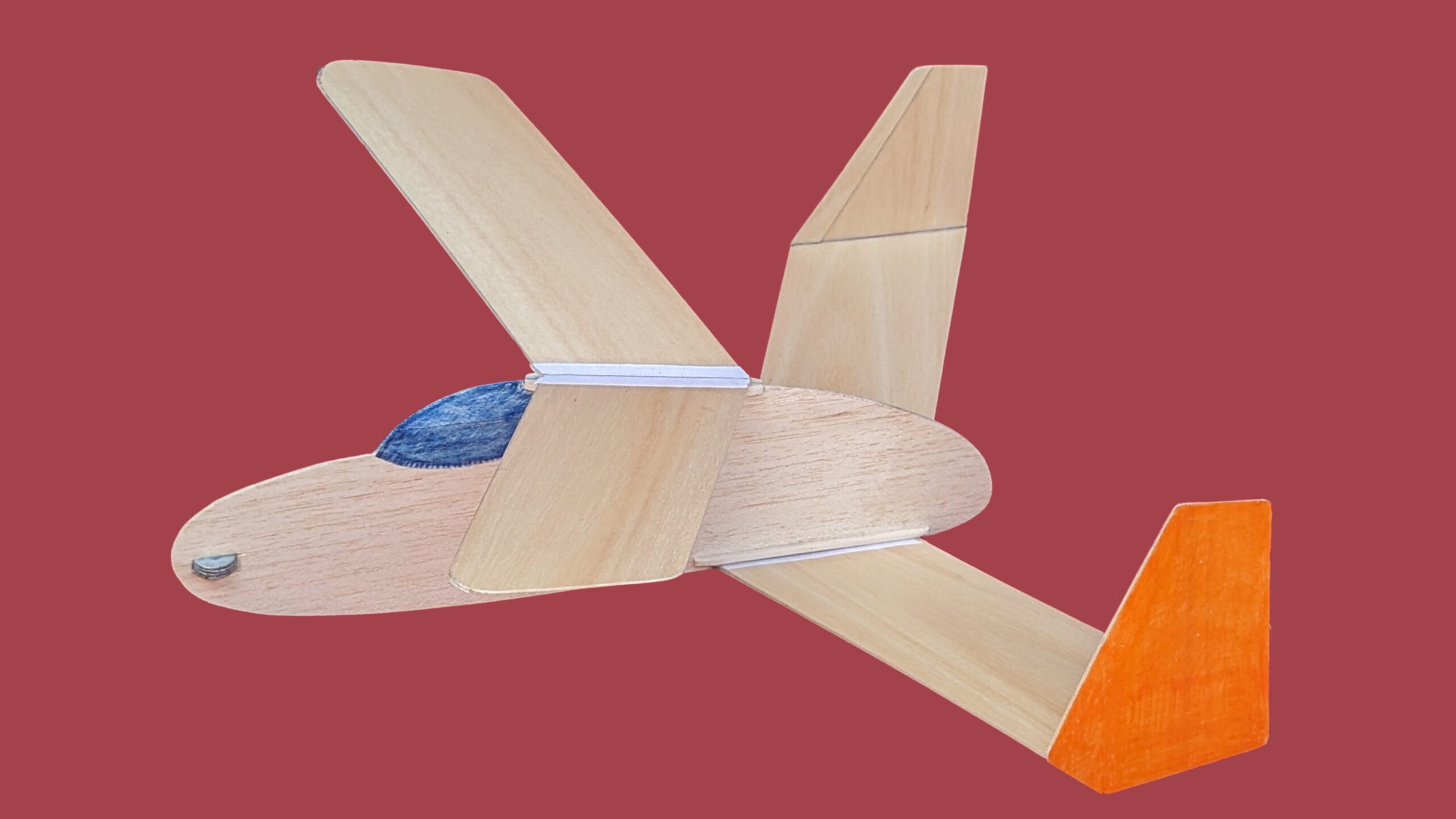
The original Mitey Atom was a free flight model for the diminutive Cox Glo nitro engine, it was designed by Eric Clutton and published in the 1961 December issue of the magazine Aeromodeller. I especially liked its wing arrangement which seen from above or from below looks like an X as the front wing is…
-
1021 Duo mono mod.
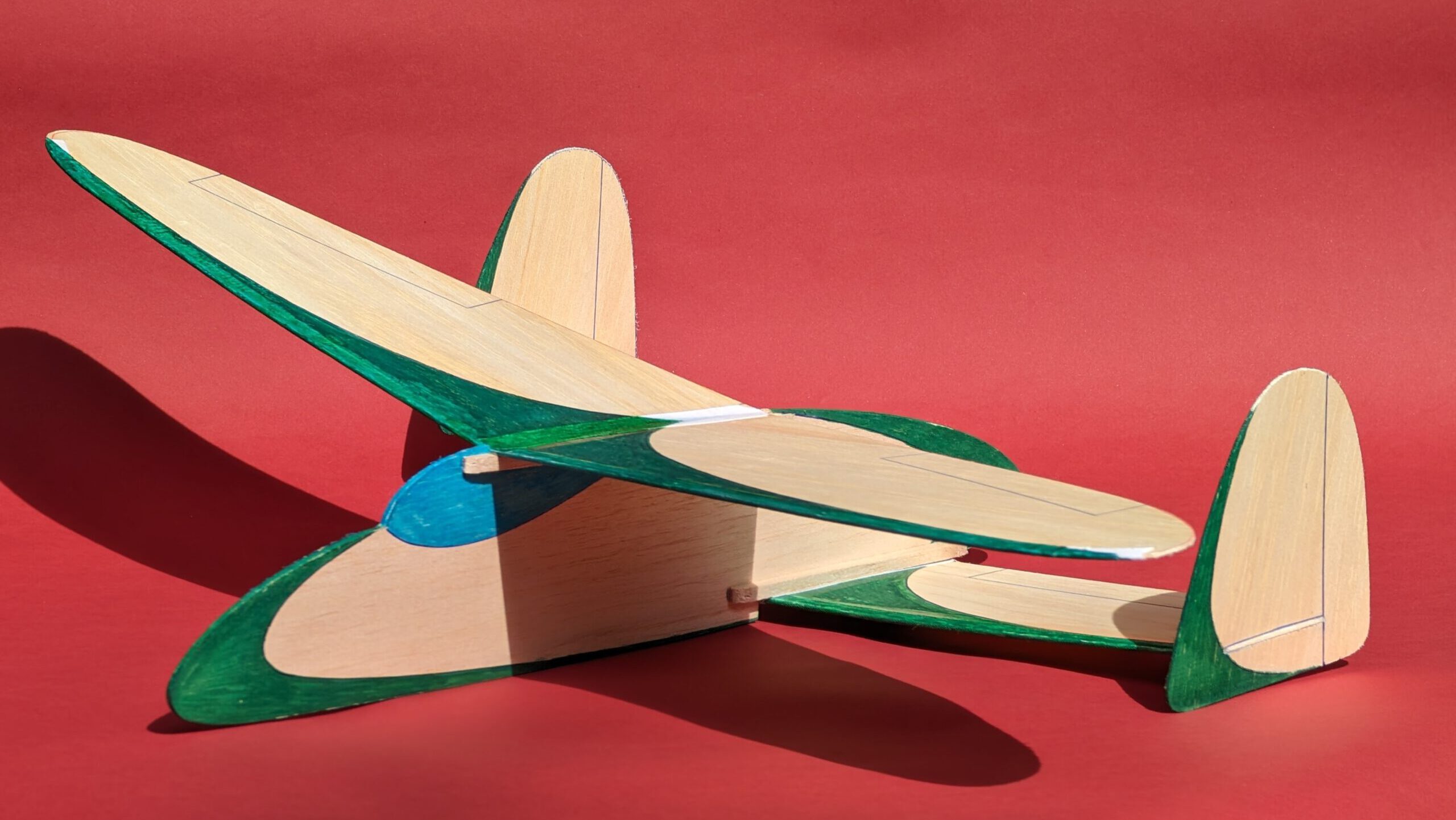
The original Duo Monoplane was a Jetex (rocket) powered model by designer Bill Dean published in the 1952 January issue of Aeromodeller magazine. I liked its appearance and its concept as a tandem wing model. So I altered only a little the distance between both wings, the planform of the main wing and I draw…