
-
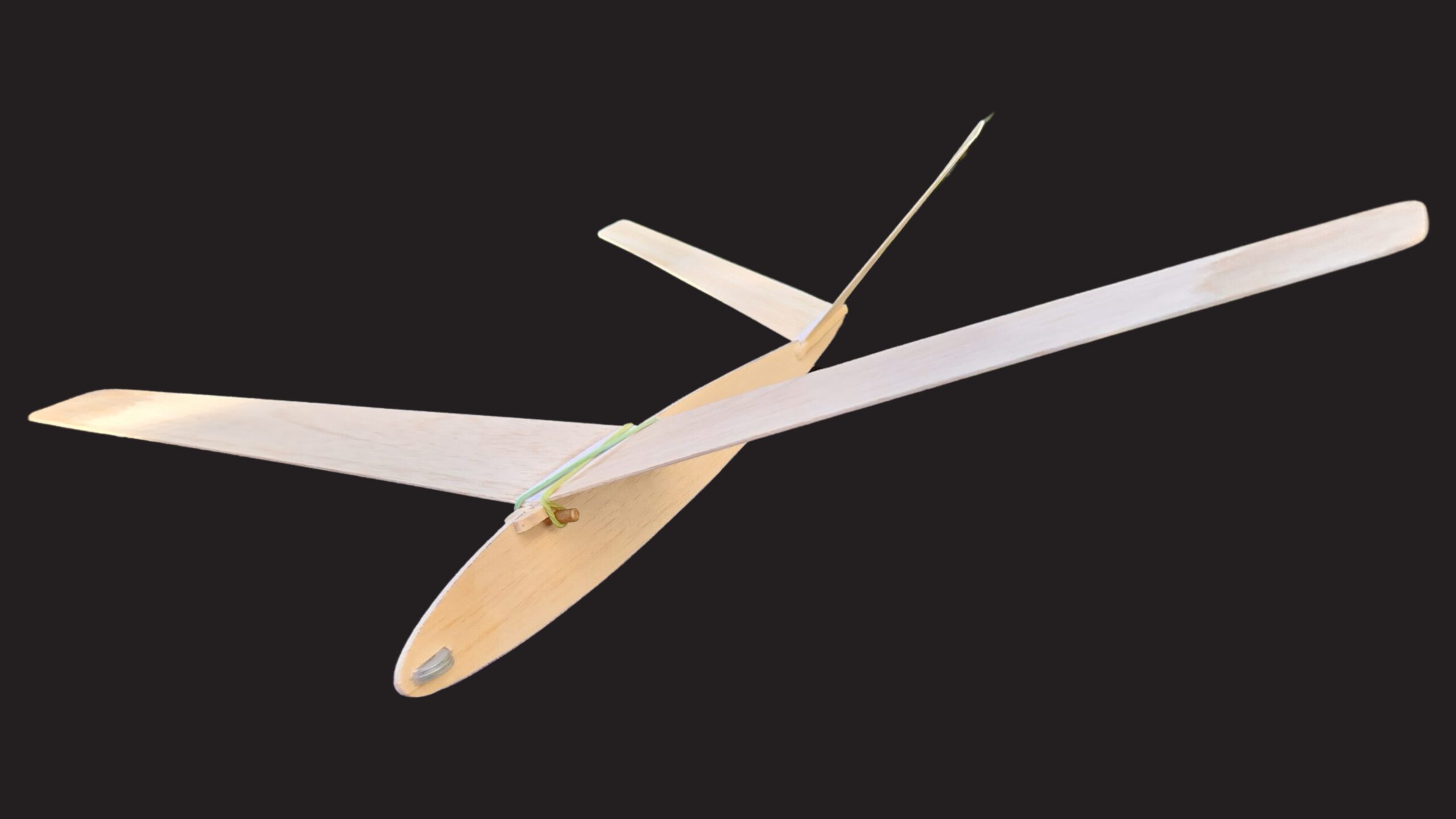
1023 Lomir gejn tanzn!
Designed for easy building with few parts: detachable wing, V-tail, and basic materials like balsa, bamboo, and linen. Reinforced for durability. Rubber rings secure the wing and tail. Center of gravity is key for smooth flights. “Lomir gejn tanzn” means “Shall we dance!” in Yiddish.
-
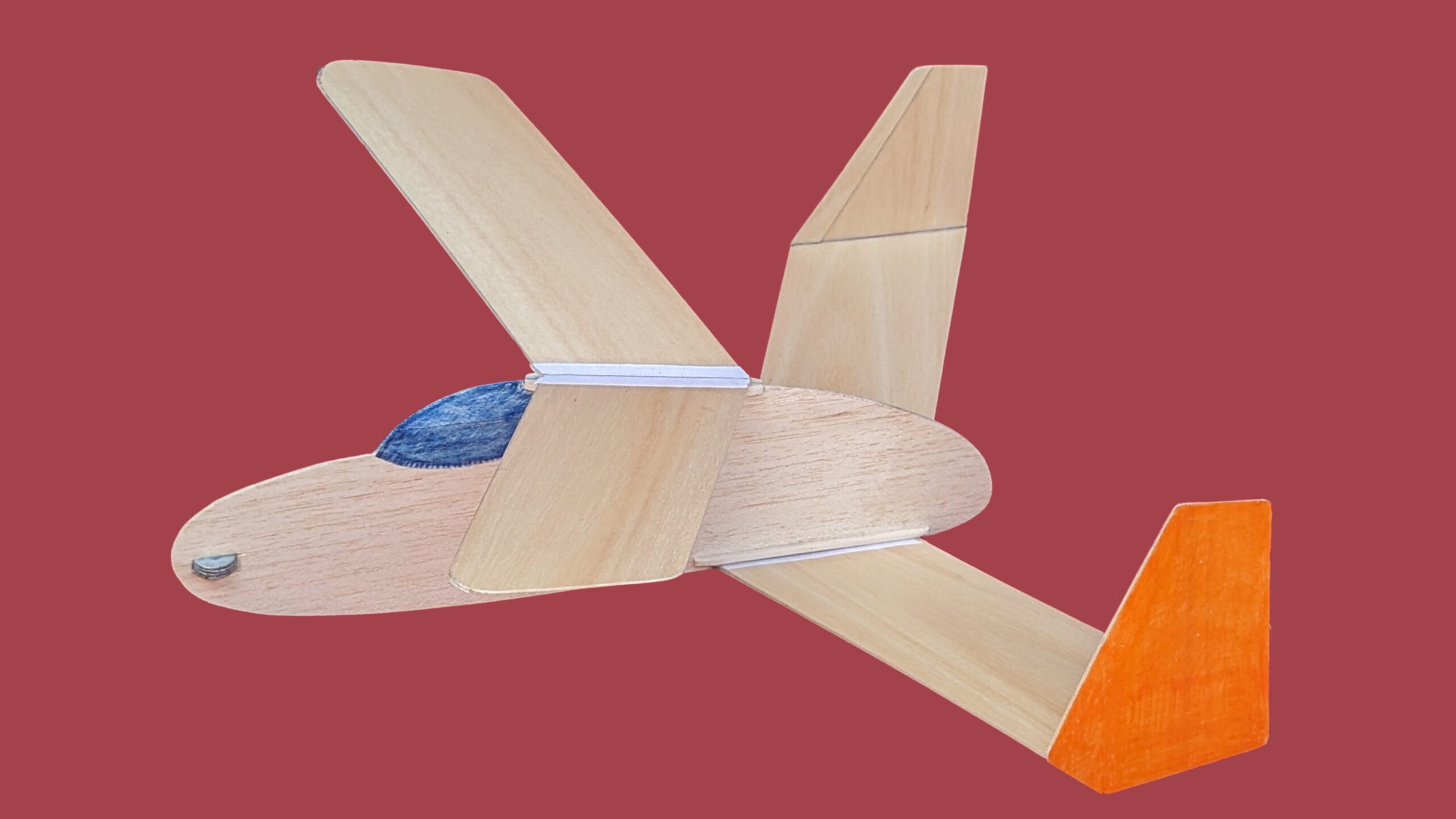
1022 Mitey Atom mod.
The original Mitey Atom was a free flight model for the diminutive Cox Glo nitro engine, it was designed by Eric Clutton and published in the 1961 December issue of the magazine Aeromodeller. I especially liked its wing arrangement which seen from above or from below looks like an X as the front wing is…
-
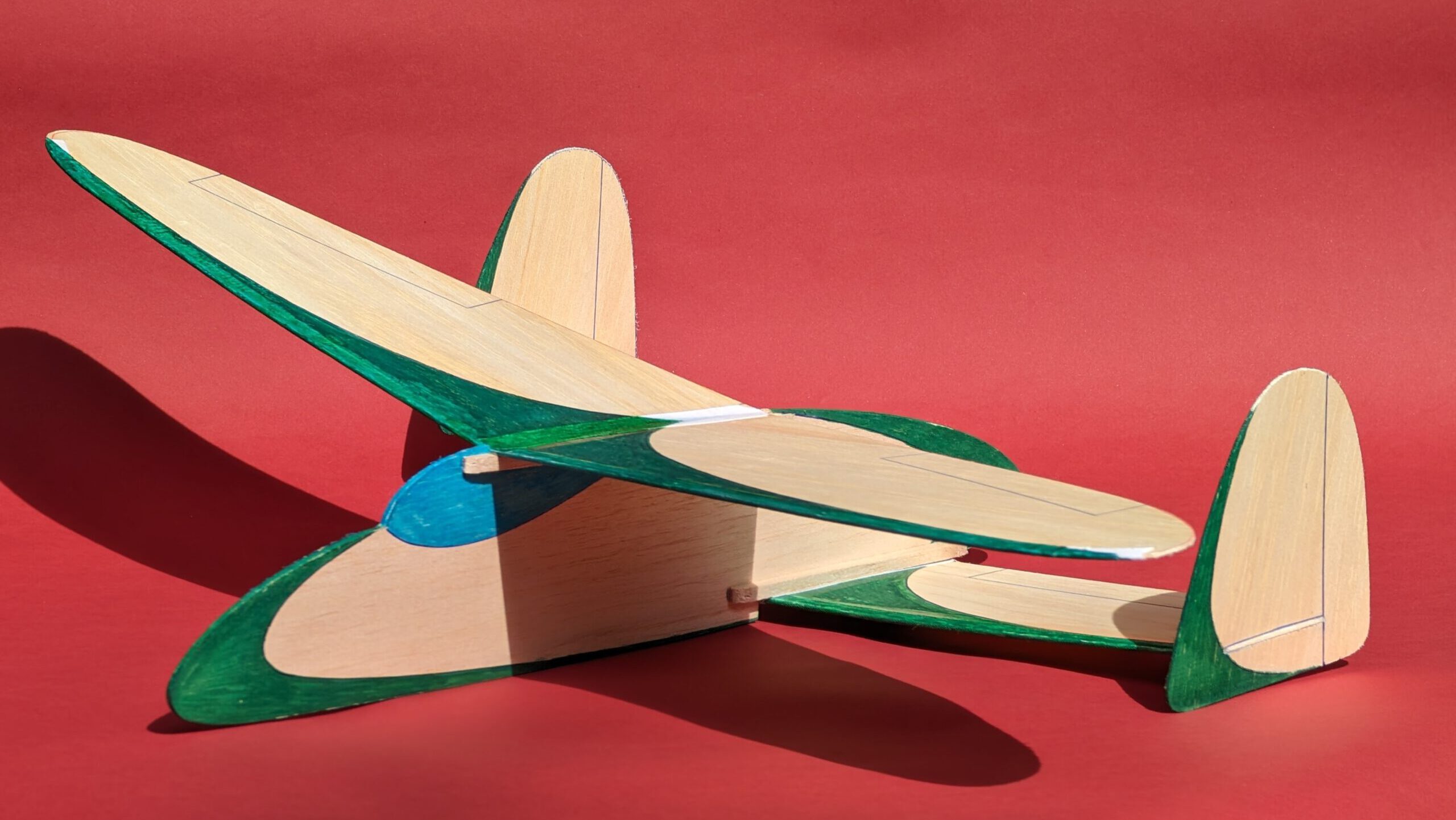
1021 Duo mono mod.
The original Duo Monoplane was a Jetex (rocket) powered model by designer Bill Dean published in the 1952 January issue of Aeromodeller magazine. I liked its appearance and its concept as a tandem wing model. So I altered only a little the distance between both wings, the planform of the main wing and I draw…
-
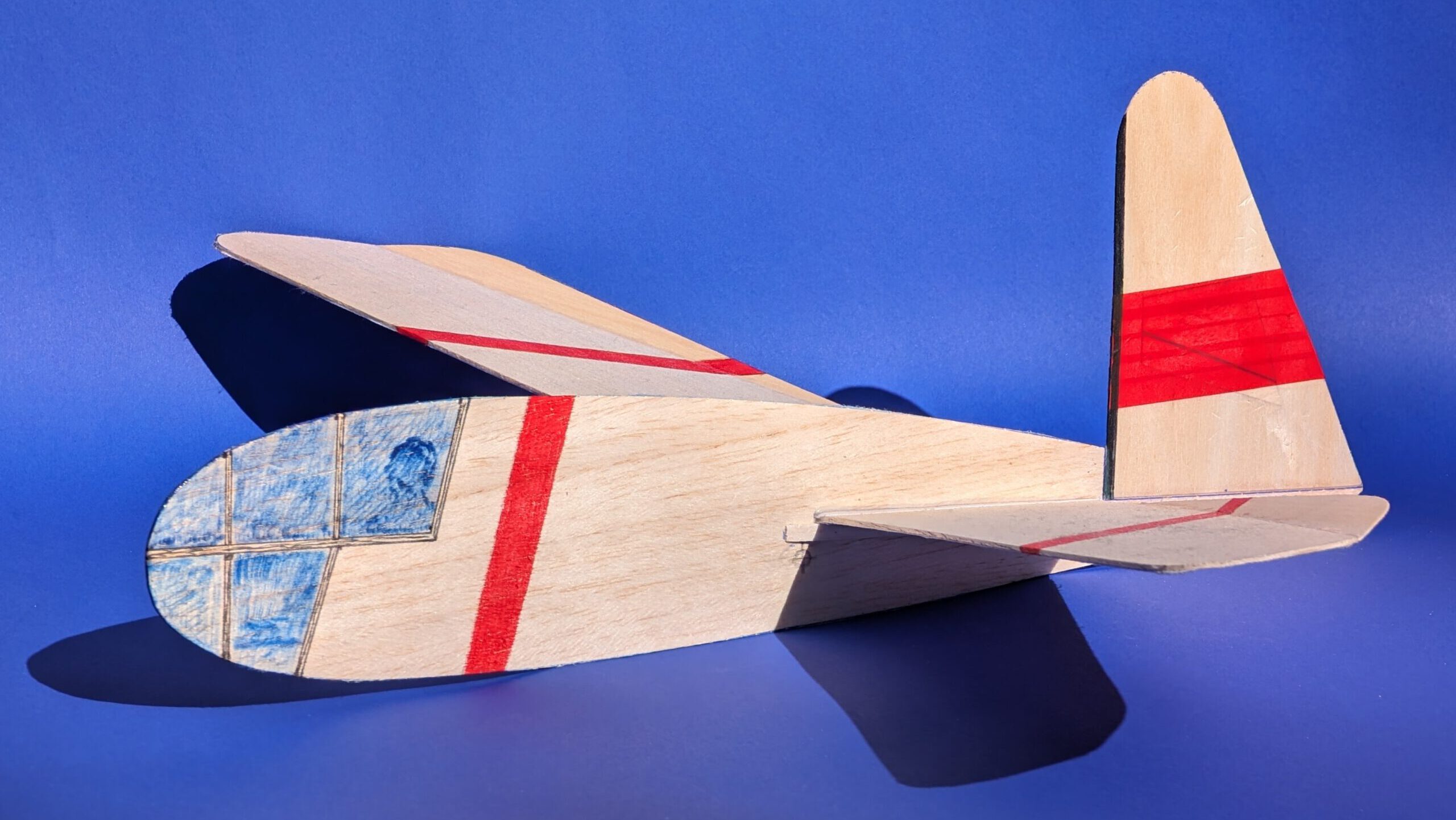
1020 Forwardswepter
A forward-swept, tailless chuck glider with a clean design and minimal parts. Built from balsa with reinforced wing joints and elevons for control. Despite its unusual shape, flight tests showed no major differences from standard swept-wing gliders — stable and recommended for all skill levels. Simple to build, smooth to fly.
-
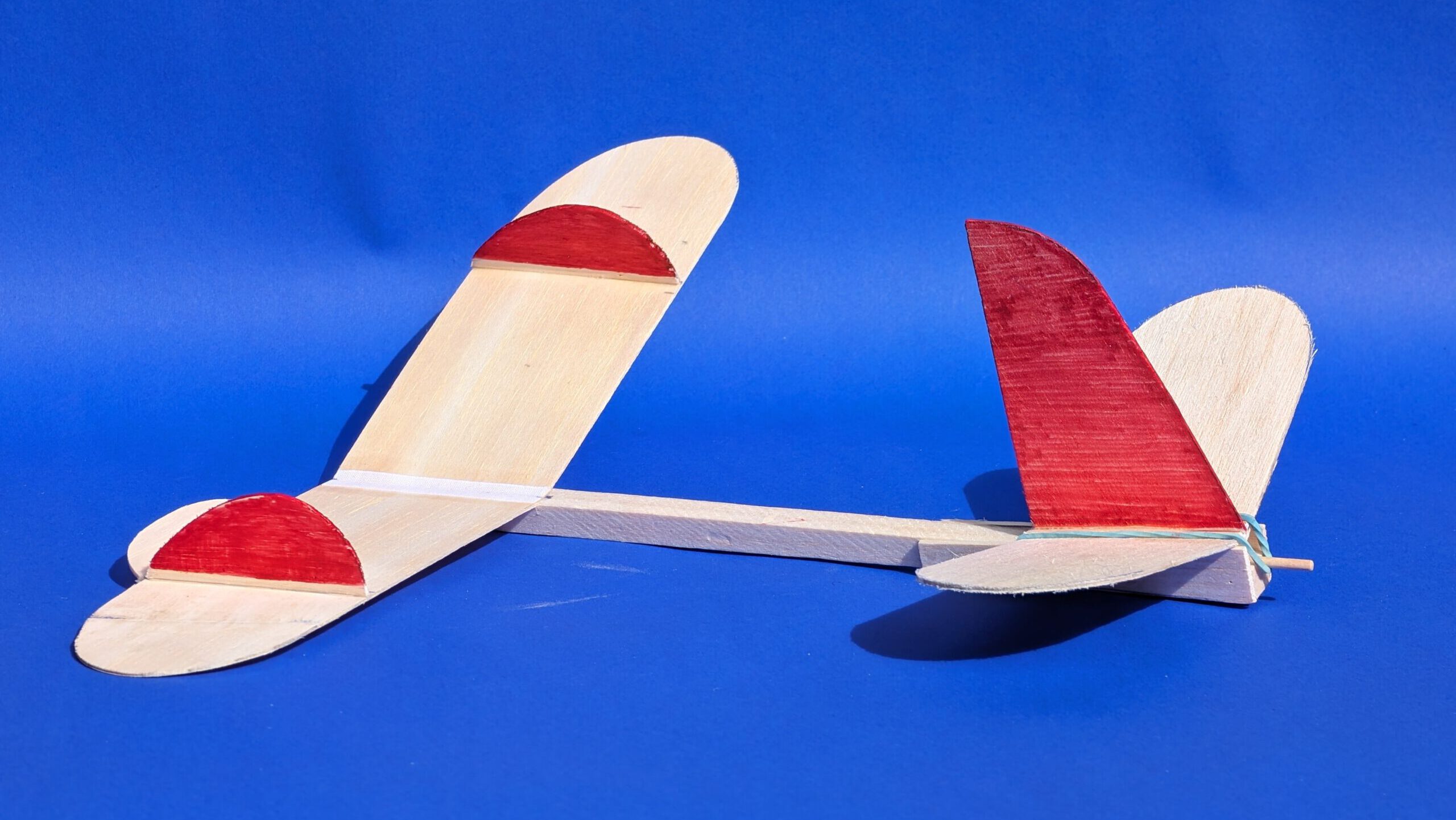
1019 Barvaz
A scratch-built canard glider named after the Hebrew word for duck. Light, stable, and easy to assemble from balsa and a bamboo dowel. Key to success: a small upward-bent aileron for level flight — a fix that turned it into a top performer. Simple build, smooth glide, and precise balance make Barvaz a standout.
-
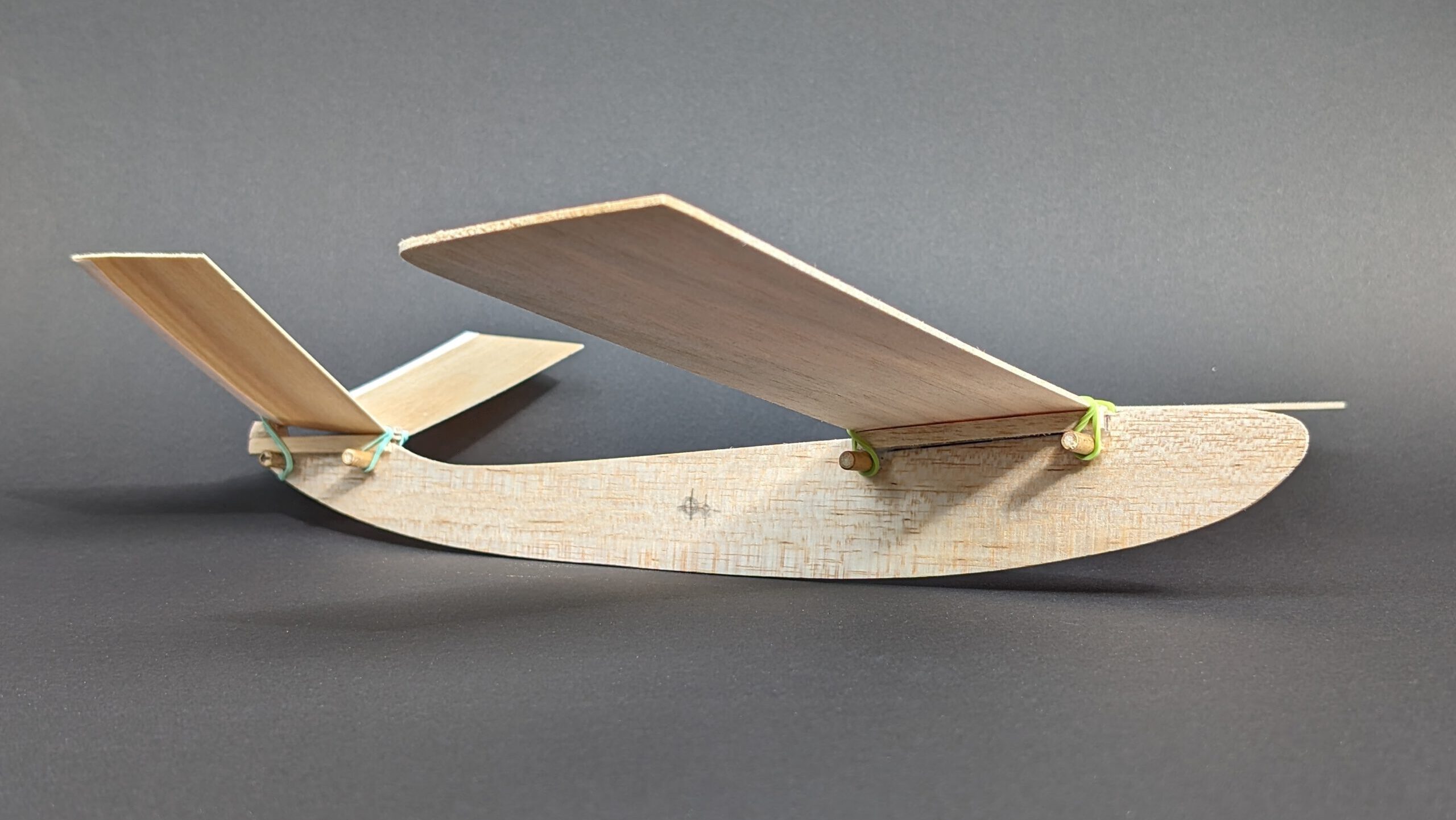
1018 Cauqén Magallánico
A small canard glider named after the upland goose of southern South America. Simple design with detachable wings and V-tail empennage. Built from balsa, bamboo dowels, and linen reinforcements. Secured with rubber rings for easy assembly and tuning. Stable flyer with pleasant glide: light, clean, and adjustable for optimal CG.
-
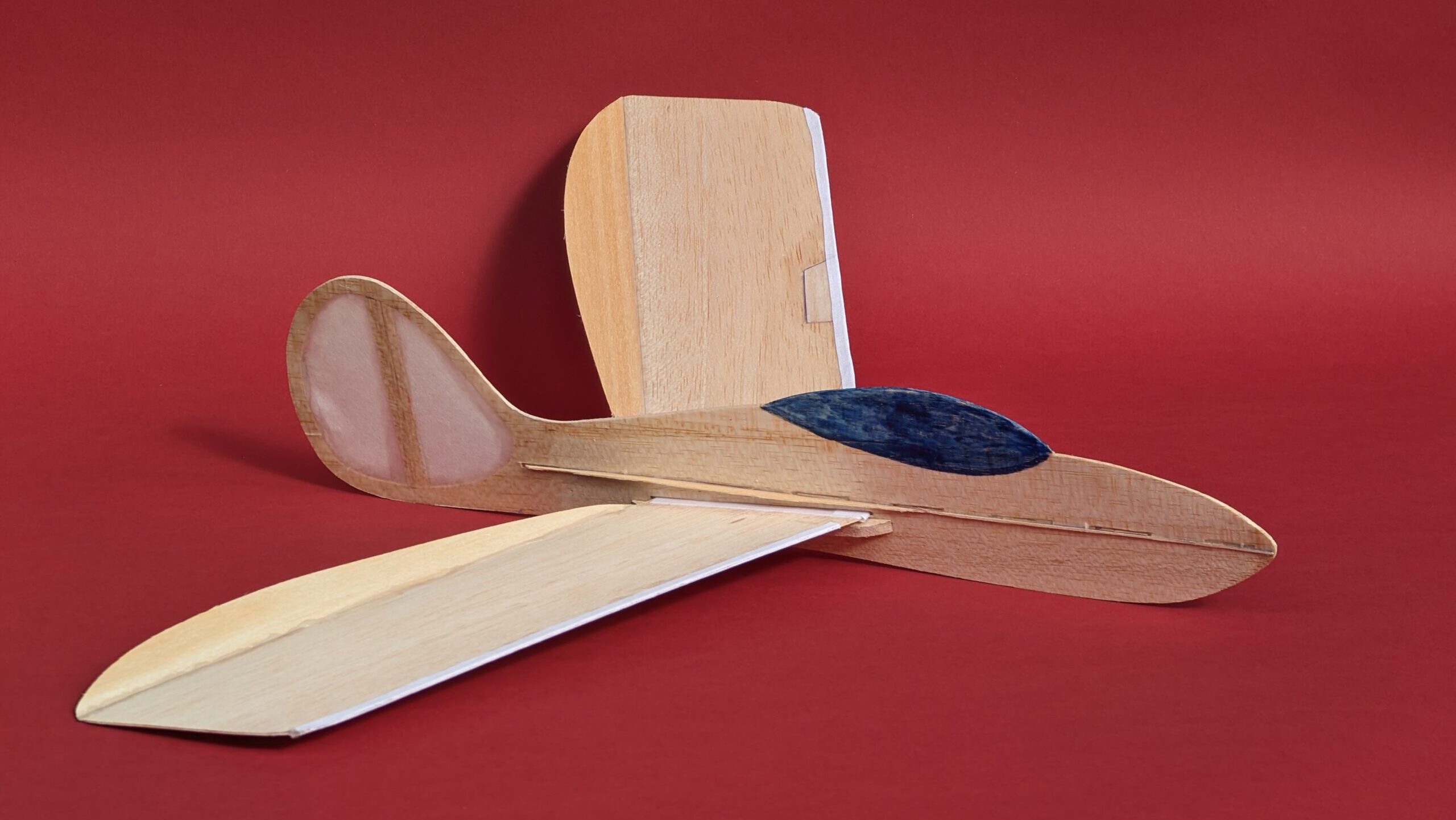
1017 El Hornero
The idea leading to this model was to test a flying wing design with as little ballast as possible. This could only be achieved by making the tail section as light as possible. Thus the fin-and-rudder section was hollowed out and covered with thin Japan tissue.
-
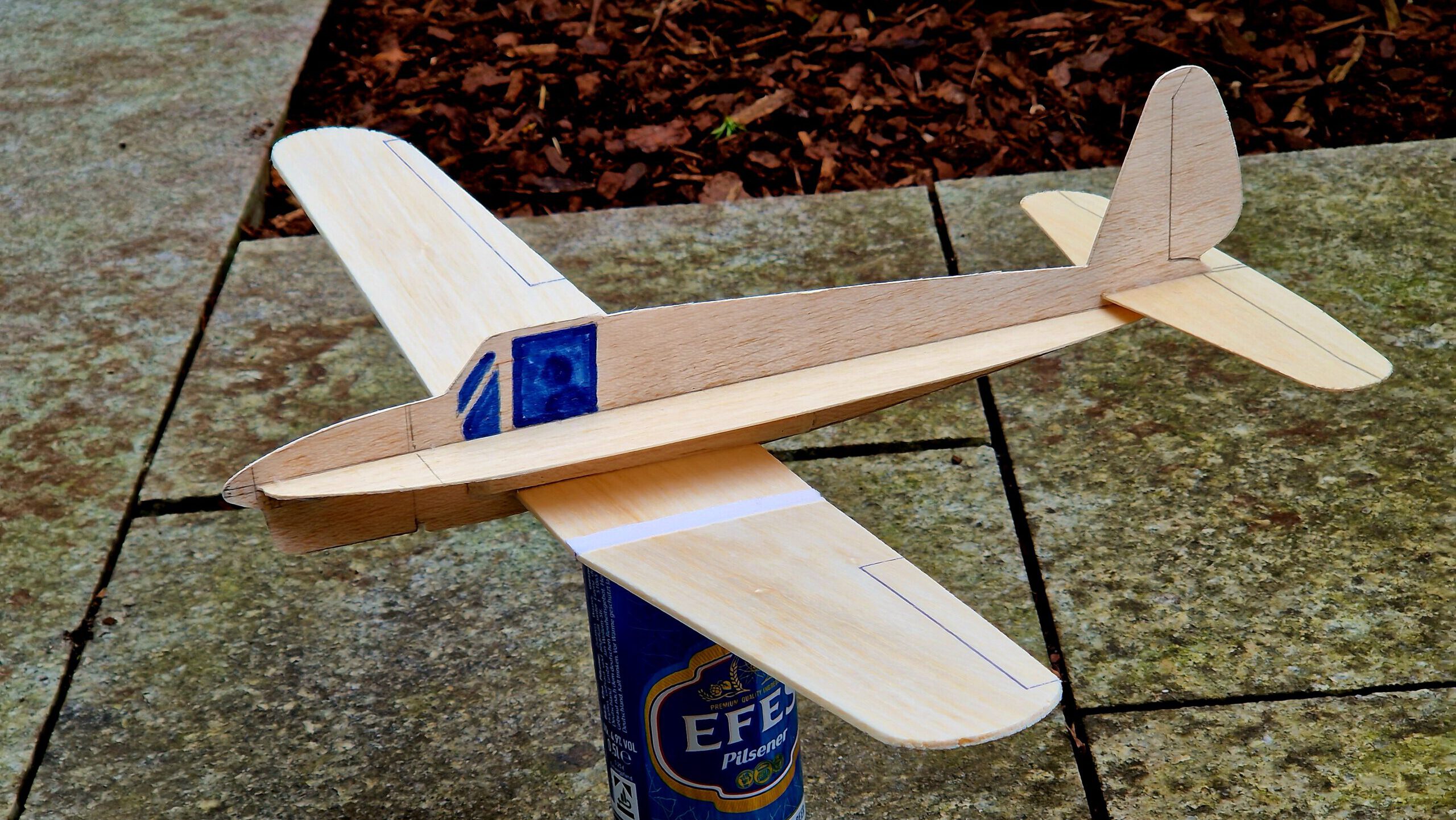
1016 Arado Ar 79 Glider
The original Ar 79 was an aerobatic two-seat trainer and touring aircraft from Germany. First flight took place in 1938 and 72 examples were built all together. As far as it is known only one survived, now on display in a Berlin museum. The Ar 79 had a retractable tailwheel undercarriage and was of mixed…
-
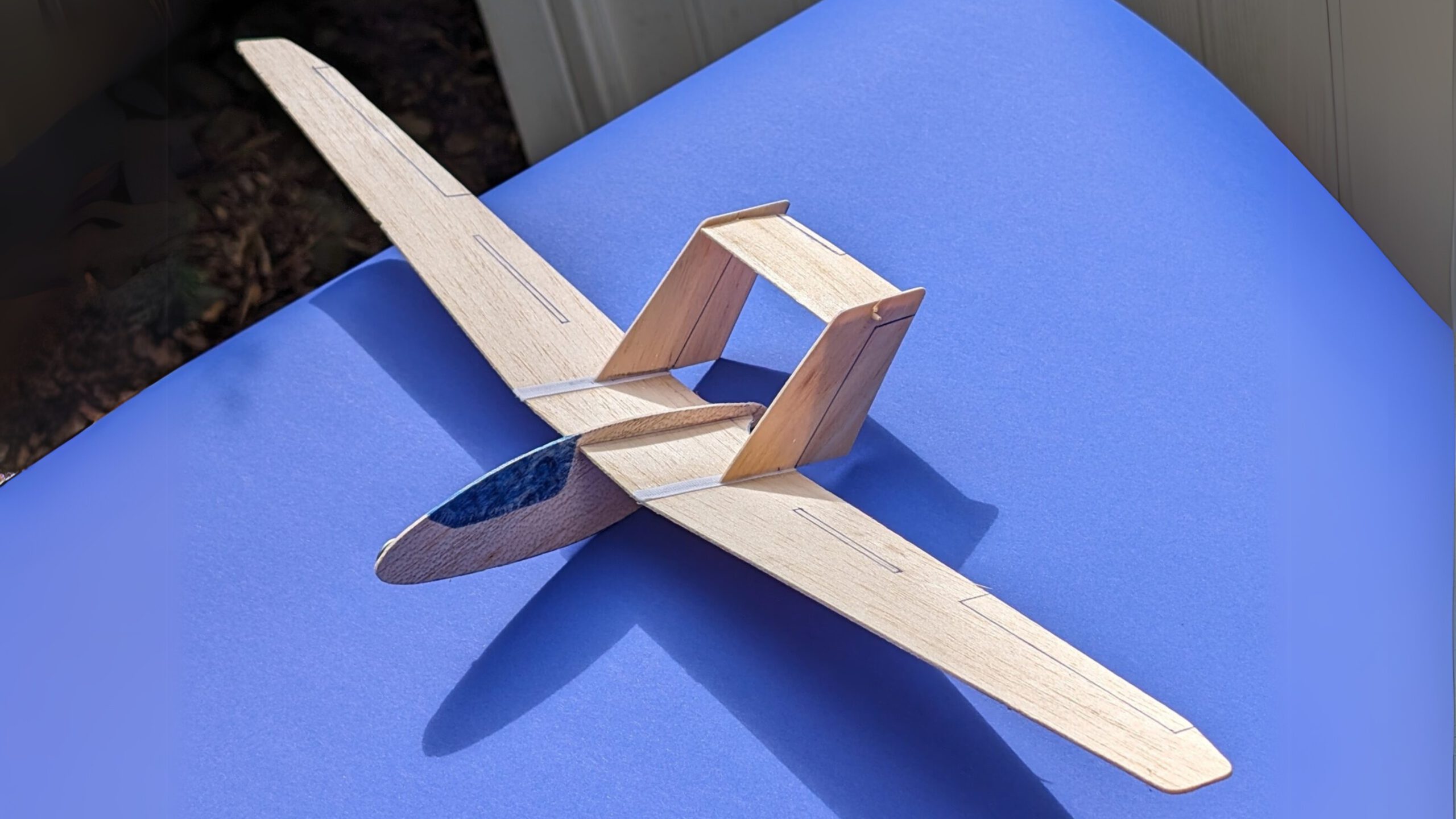
1015 Akaflieg Stuttgart Fs-26
The original Fs-26 is a German single seat motor glider which first flew in 1970. Only one was built mainly for testing purpose. The plane although ressembling a flying wing is indeed a cantilever high-wing monoplane with monocoque nacelle fuselage, twin fins and an all-moving tailplane. Powered is the Fs-26 by a small 26 hp…
-
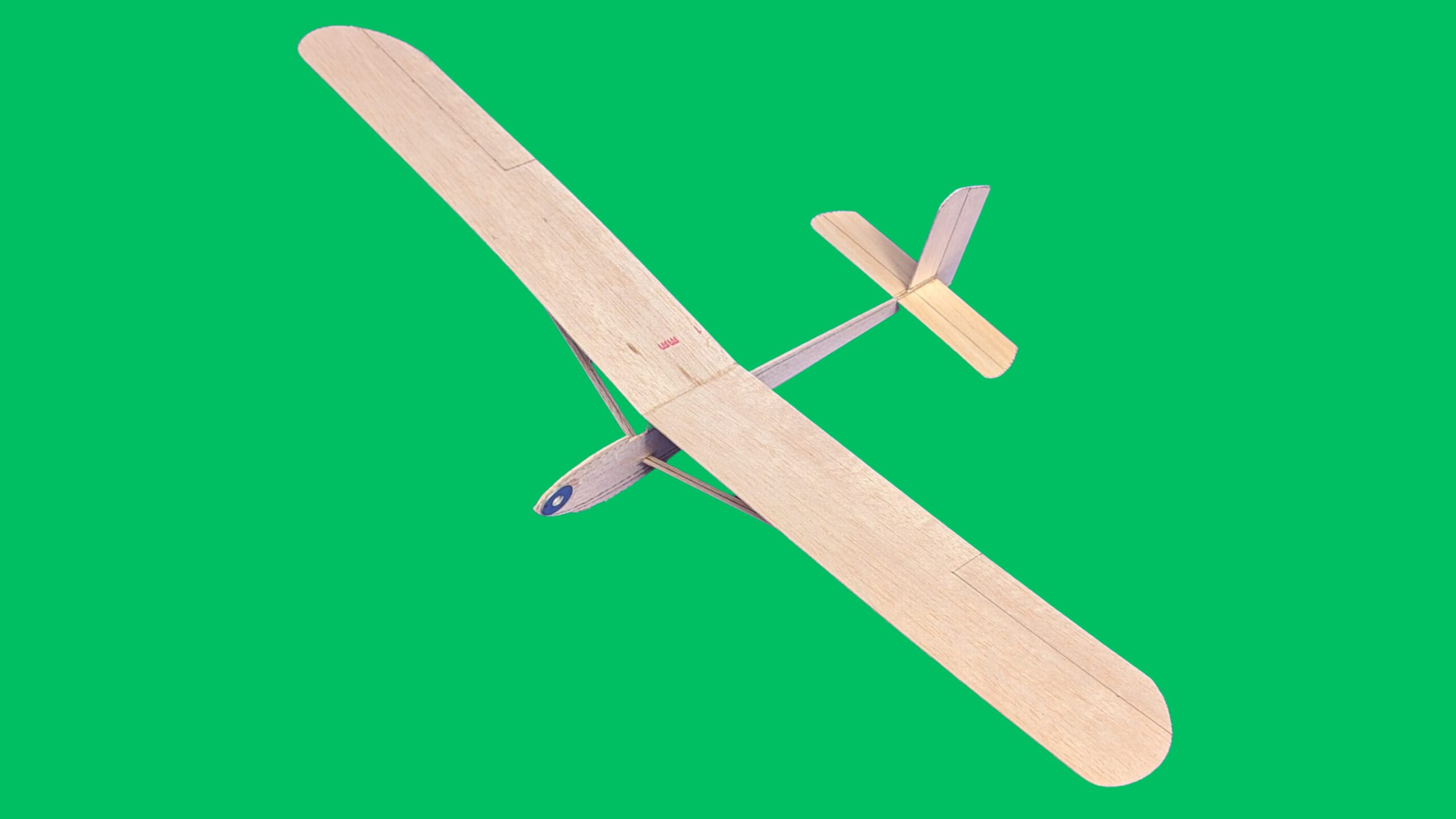
1014 Akaflieg München Mü 4
The original Mü 4 was built 1927 in Germany and had its first flight in 1928. It proved to be well designed but only one was built. Wingspan measured 12.14 m / 39.8 ft and gross weight was 185 kg / 408 lb. Further details seem to be unknown. Photos and drawings of the glider…