
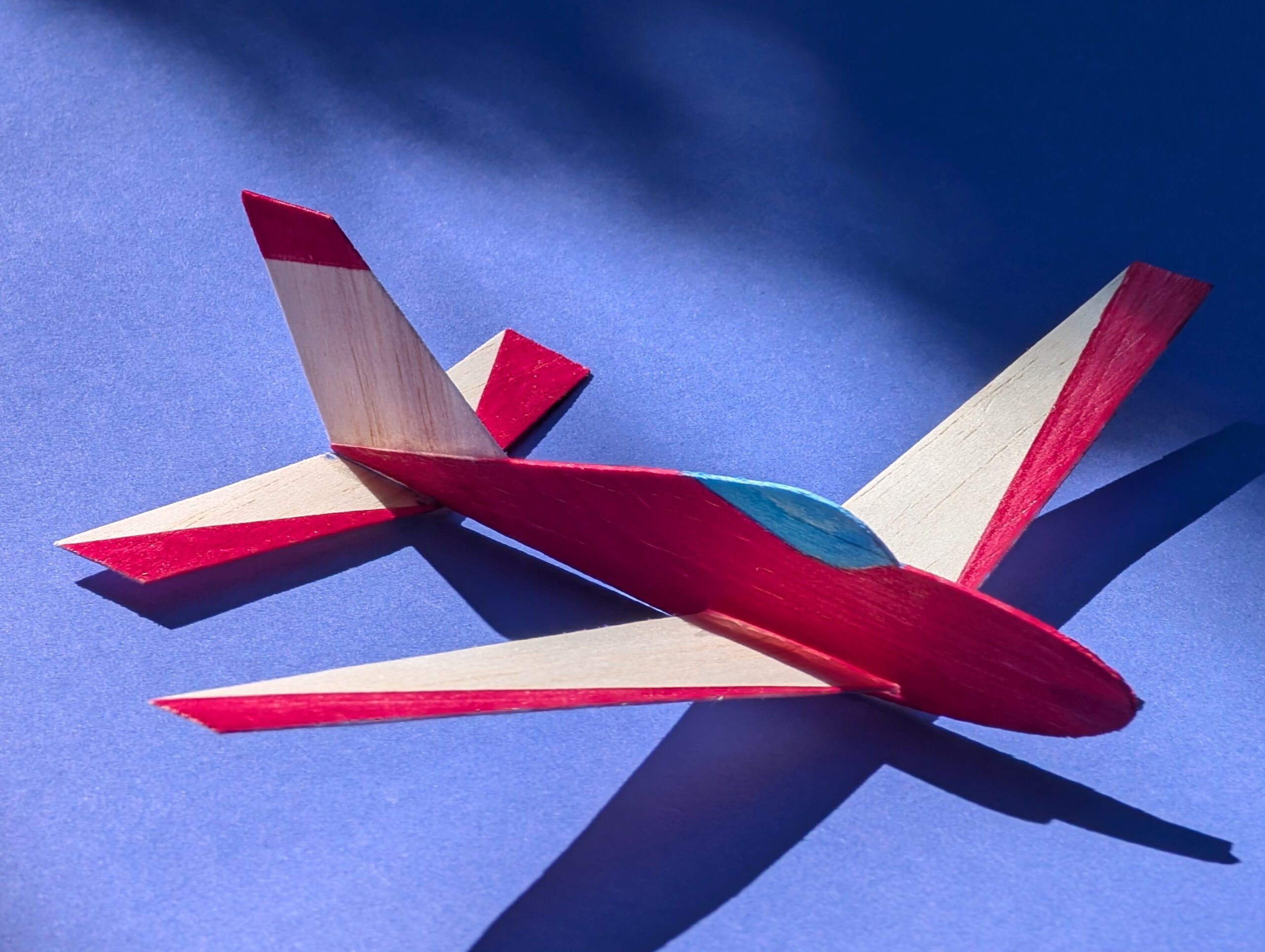
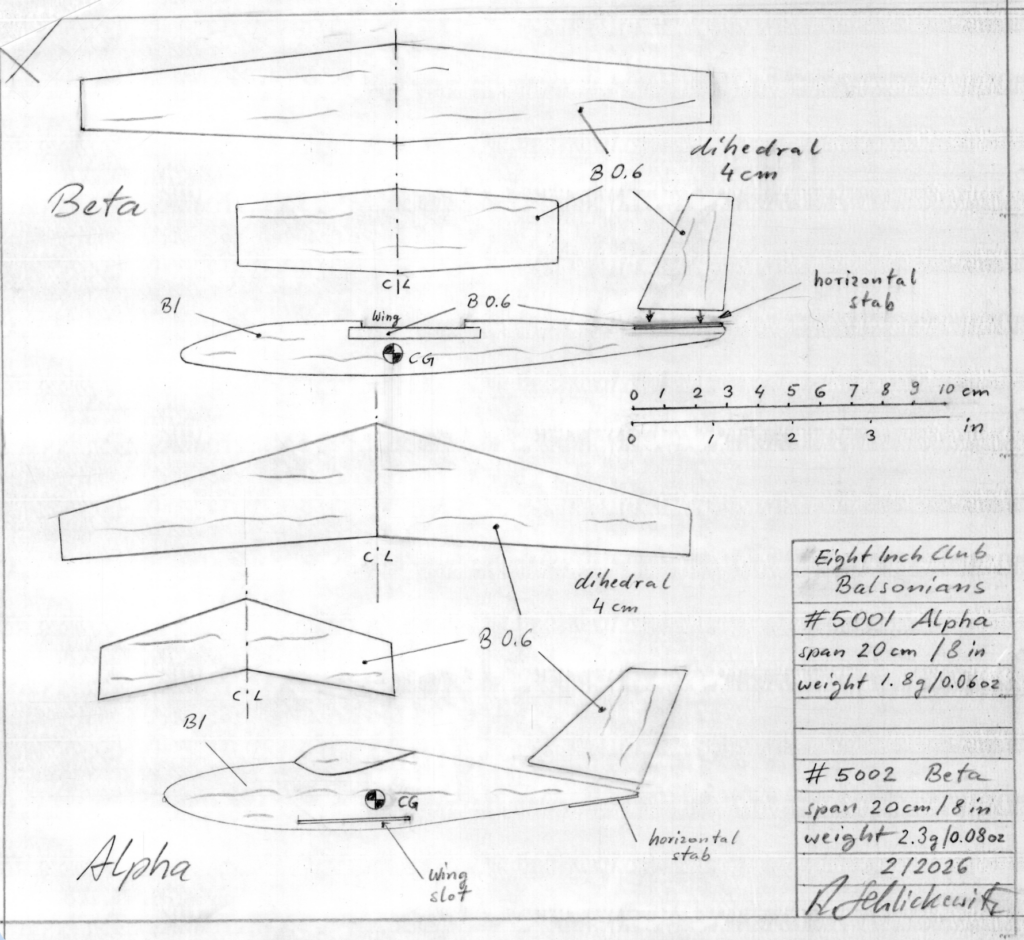
Span 20 cm / 8 in
Weight 1.8 g / 0.06 oz
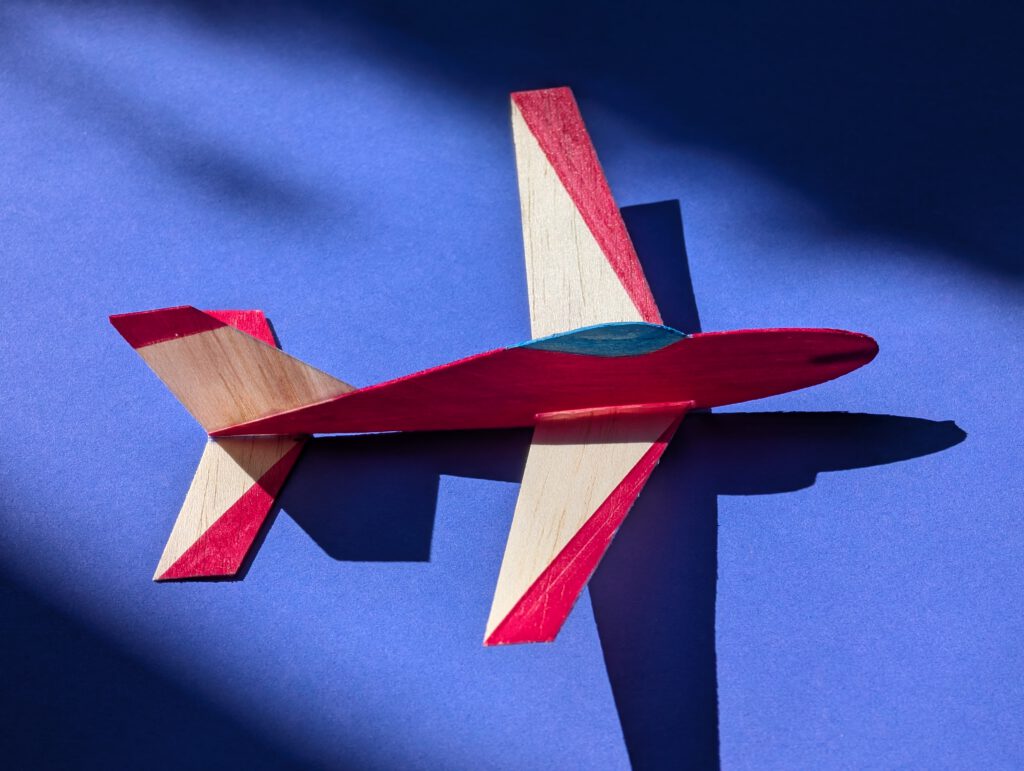
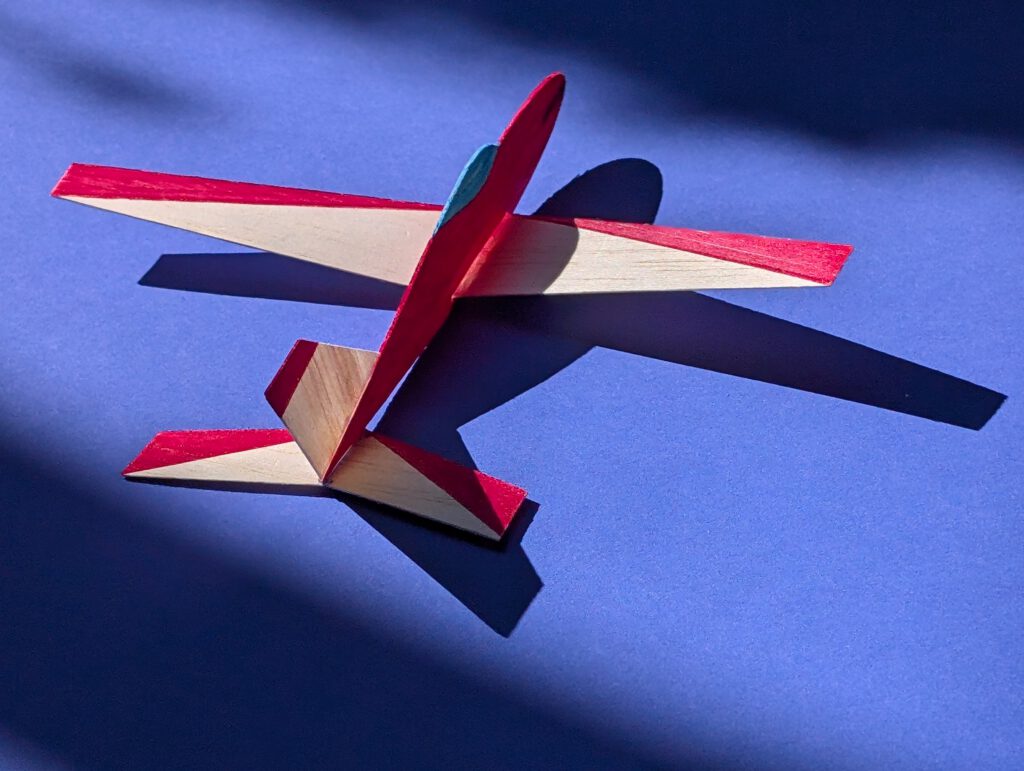
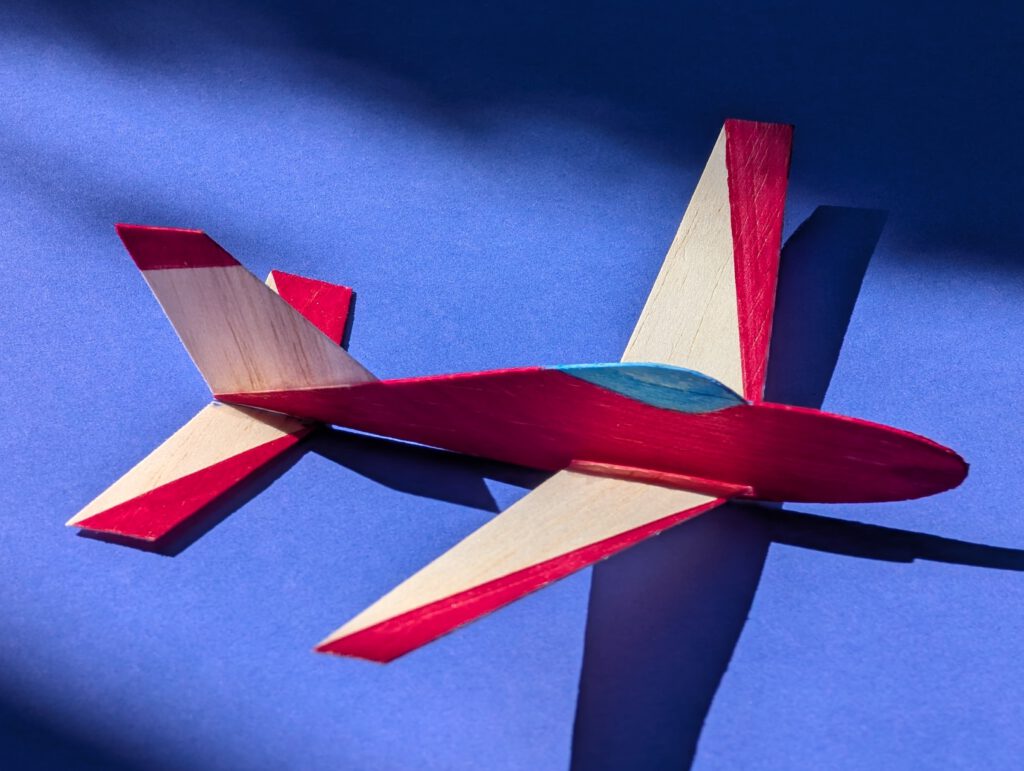
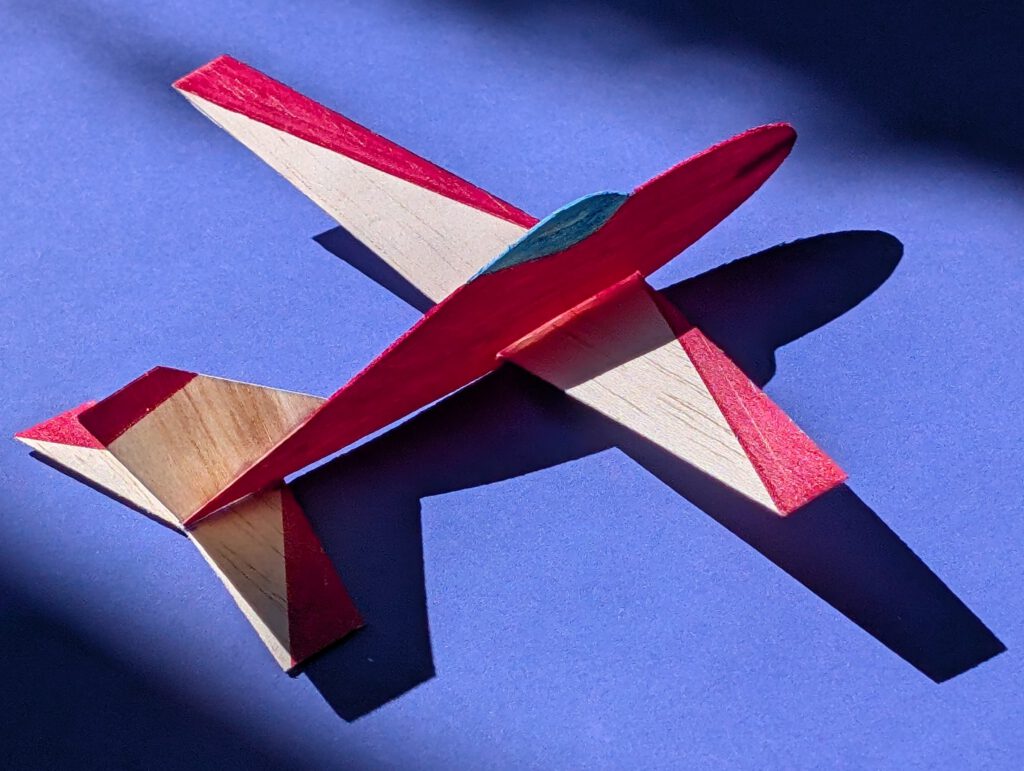
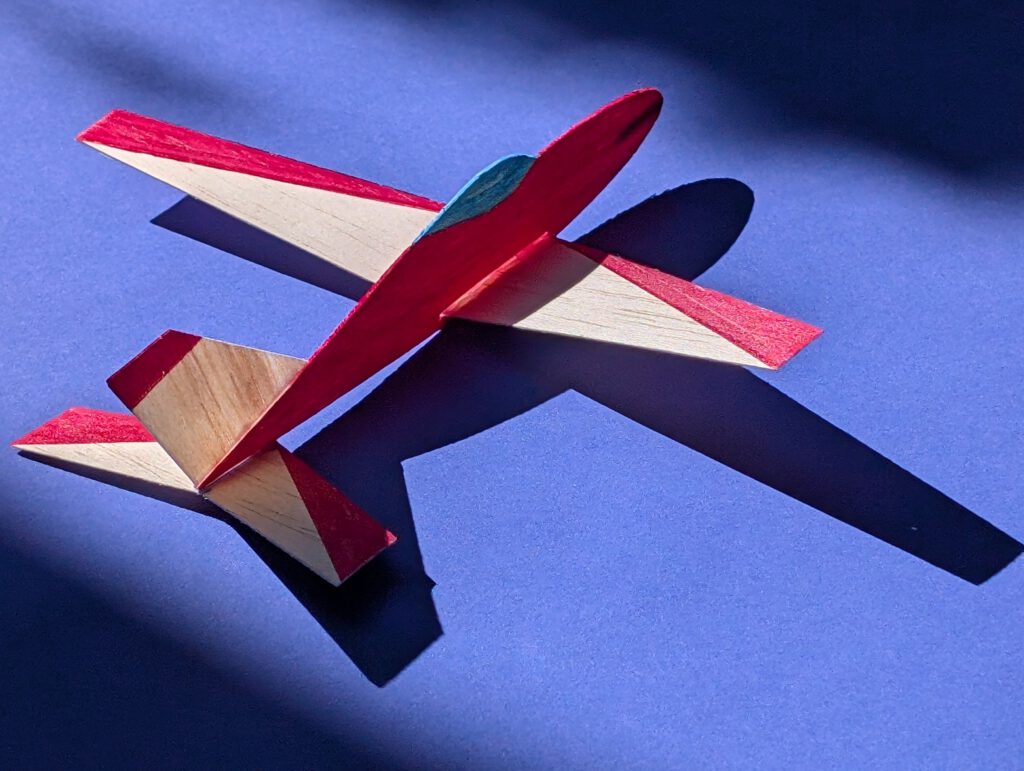
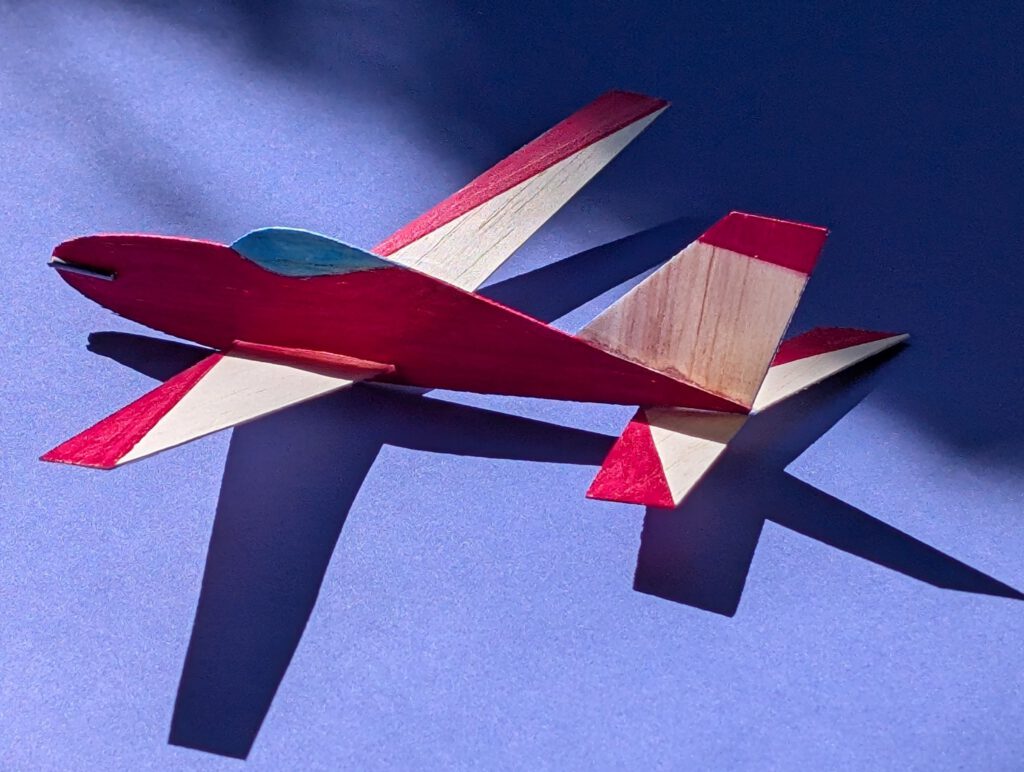
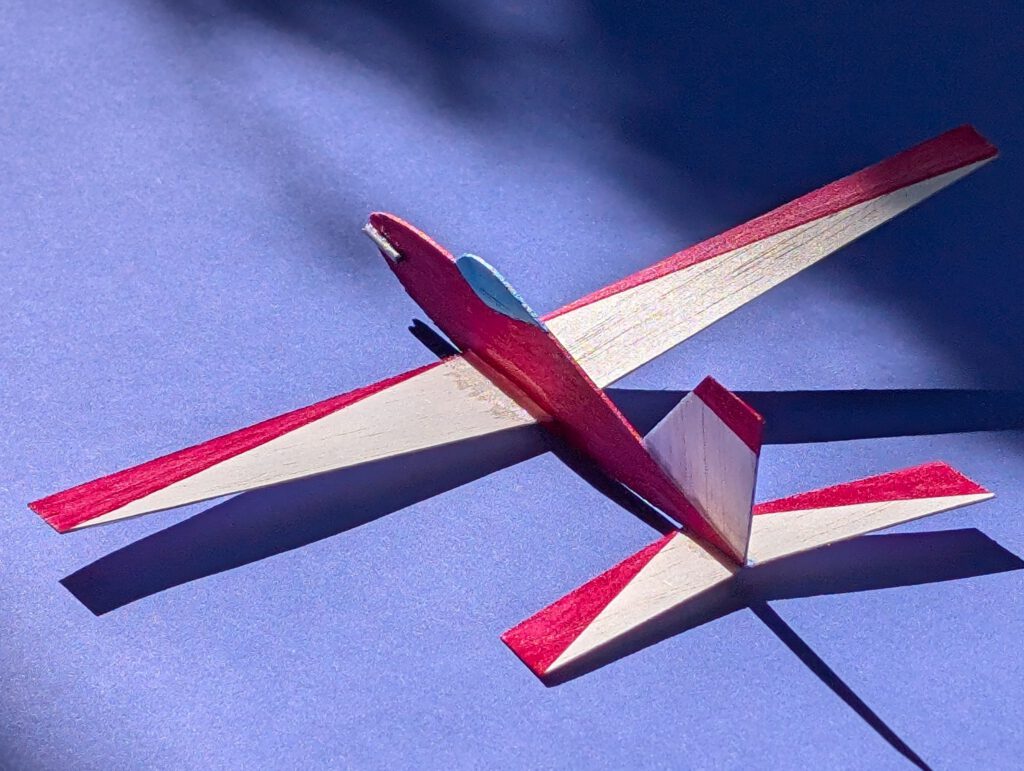
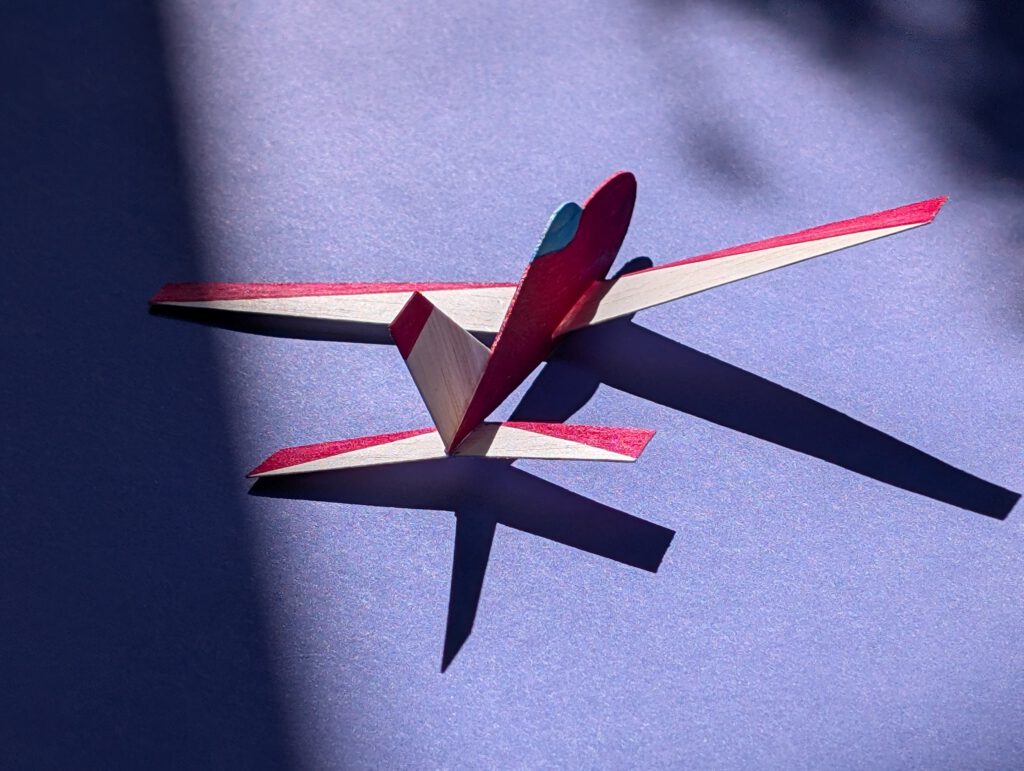
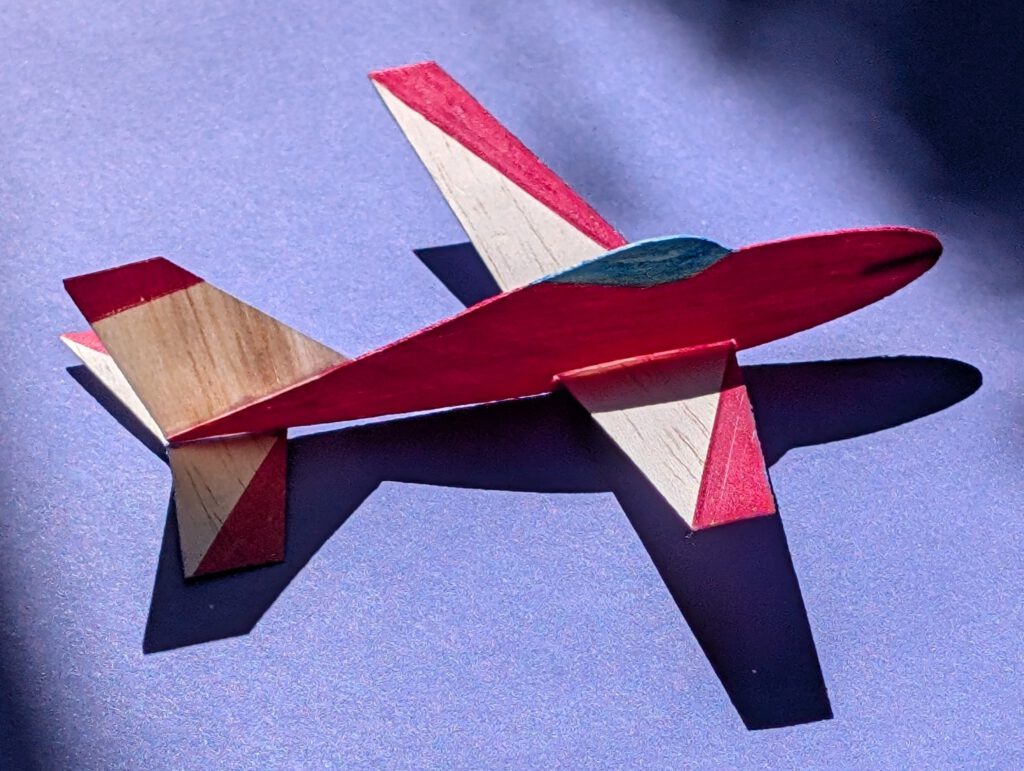
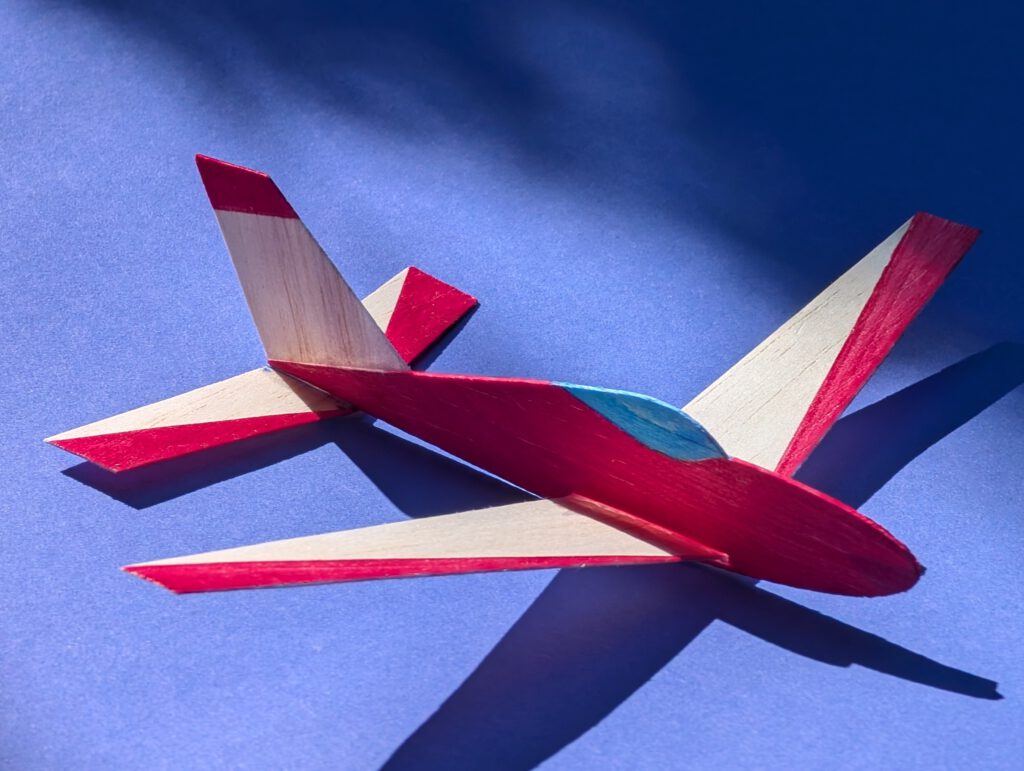
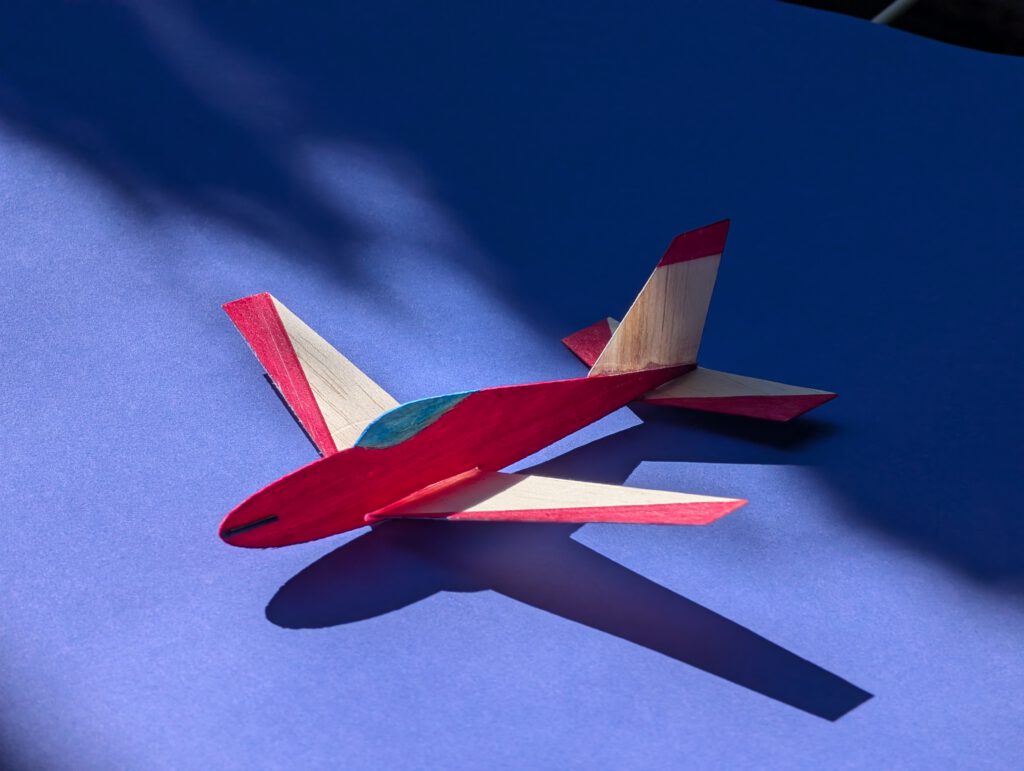
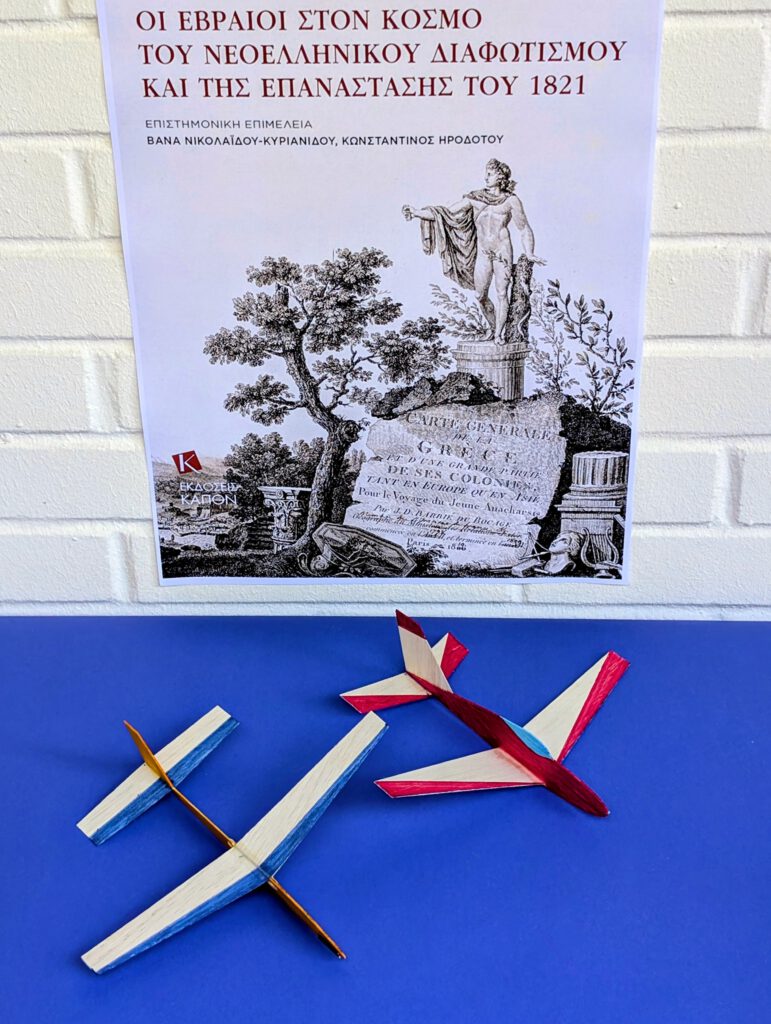
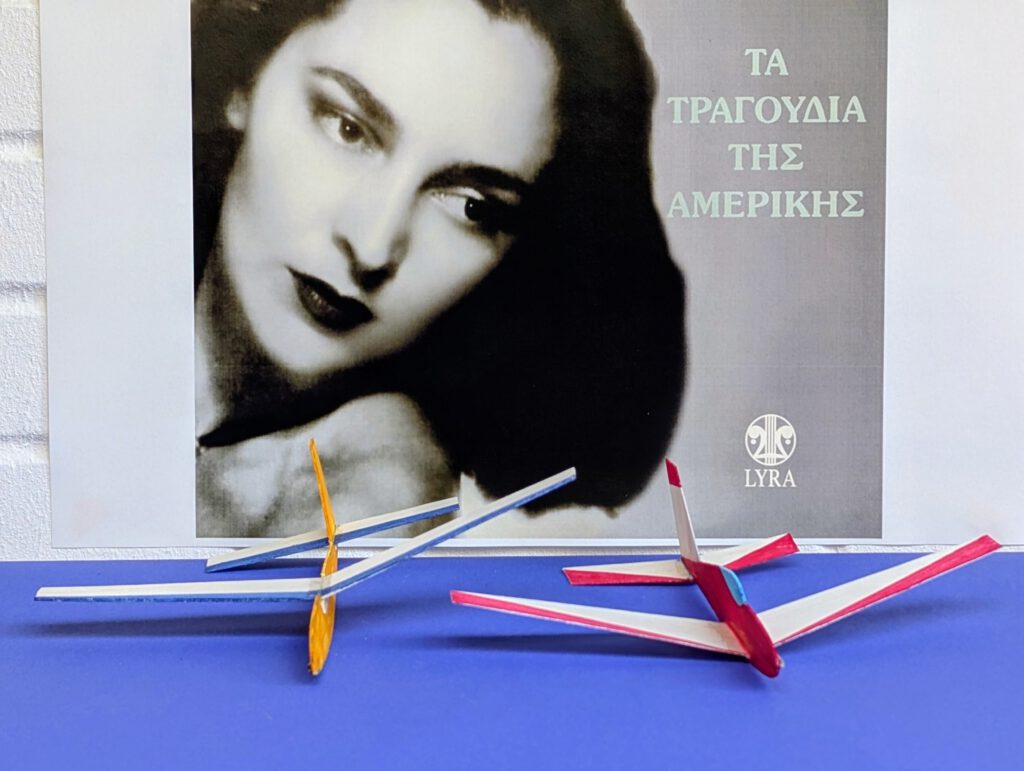
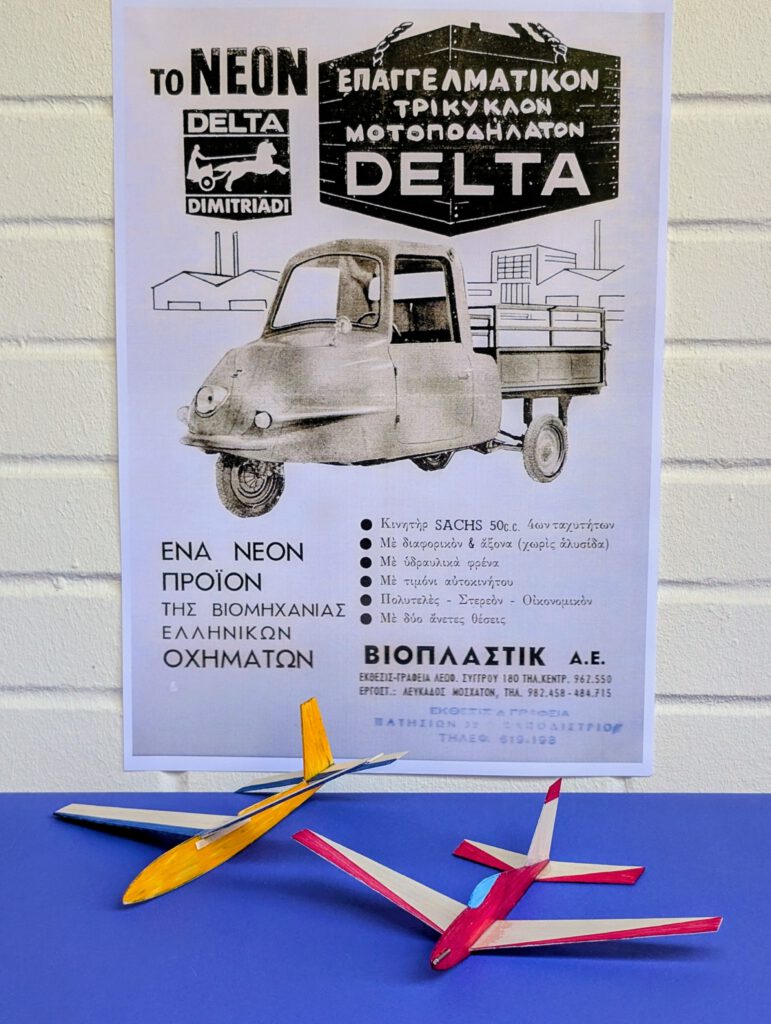
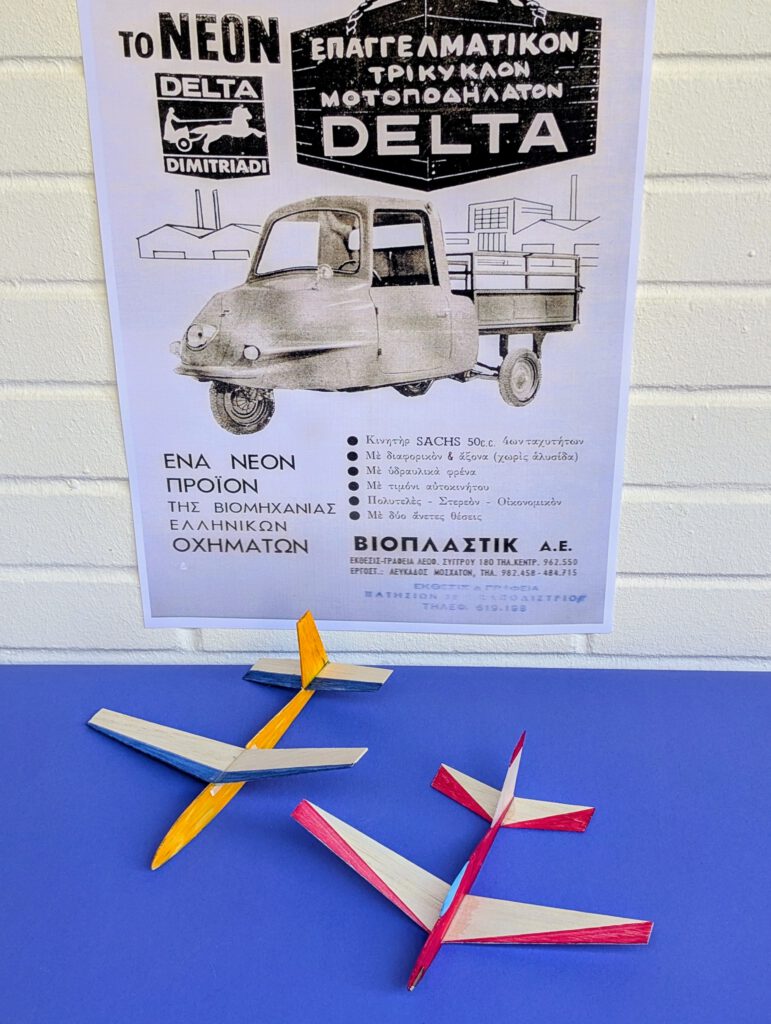
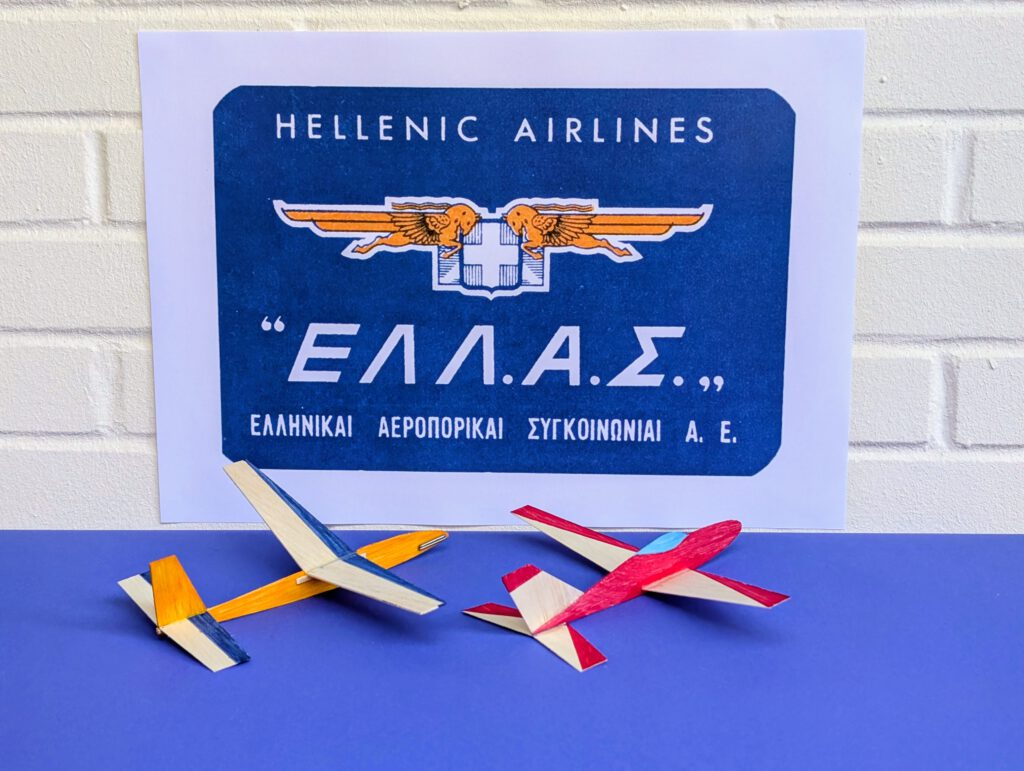
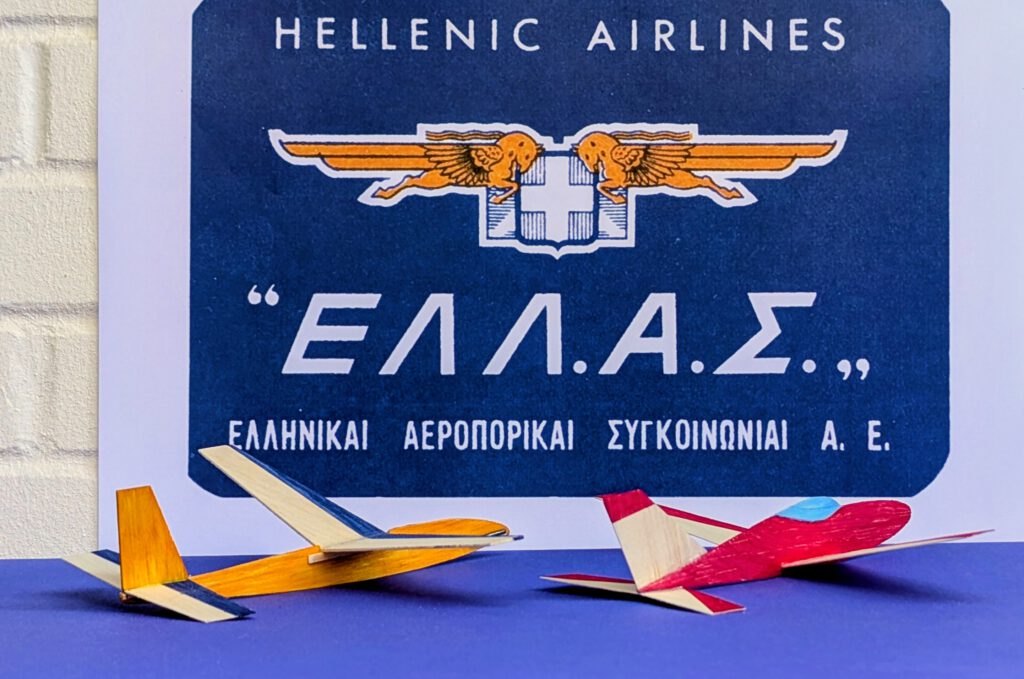
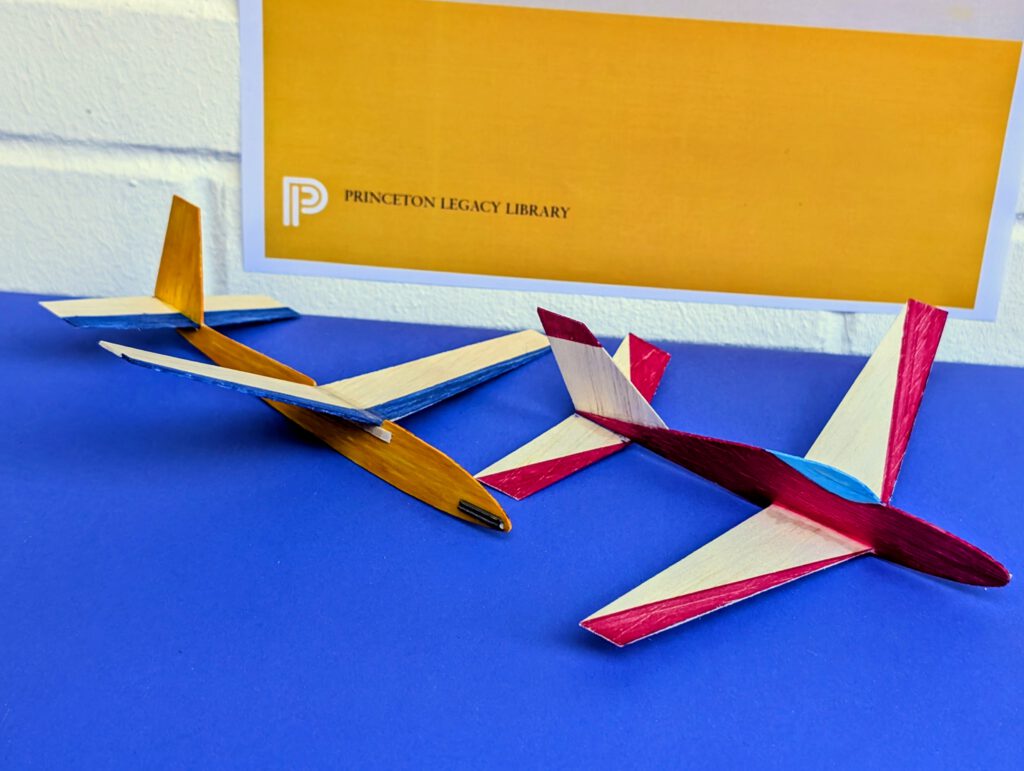
The concept:
- 8 in wingspan
- Light weight glider
- 0.6 mm Balsa for wings and empennage
- Easy to build
- Few parts
- Built for best performance
- Not suited as a first model
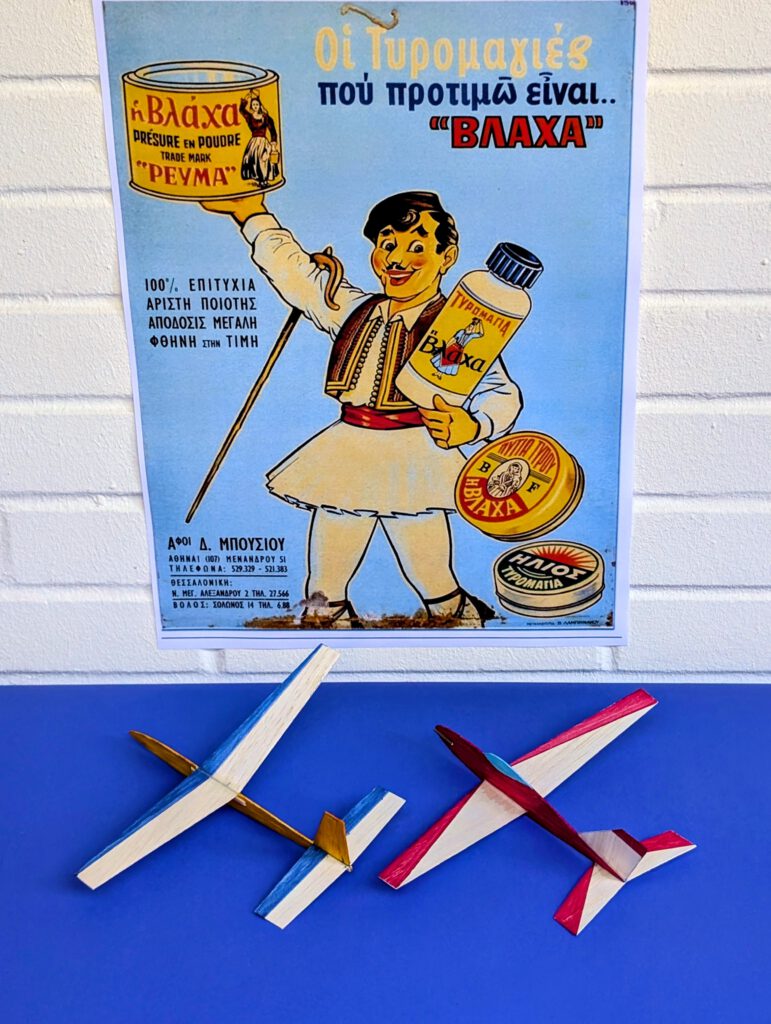
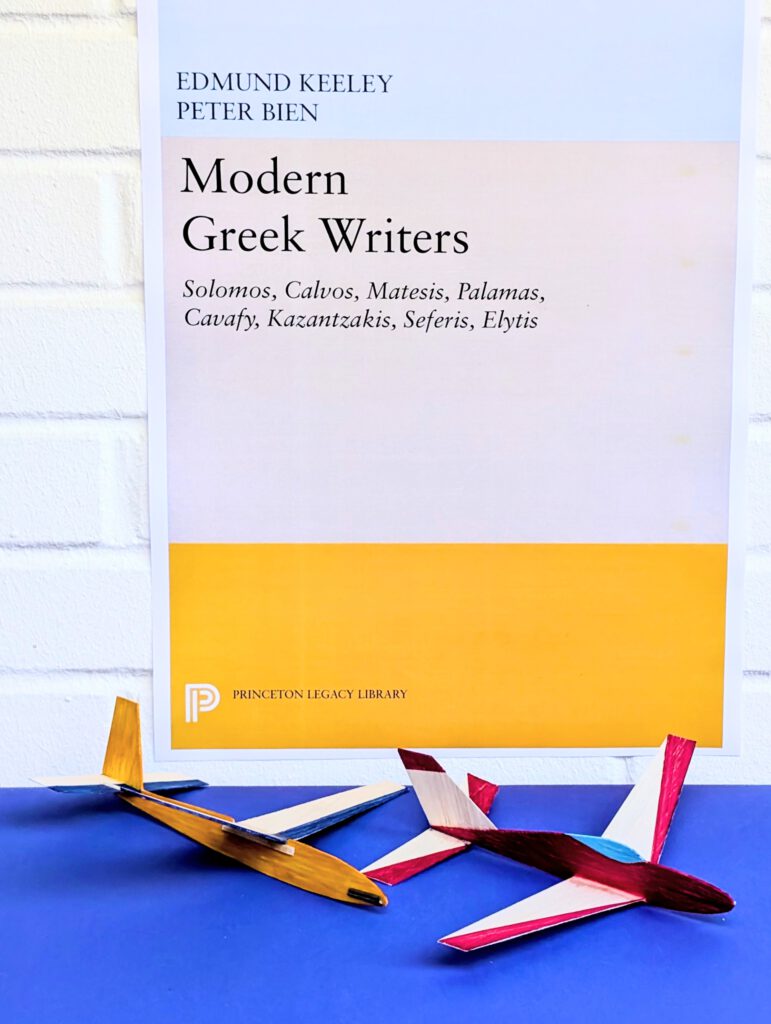
Name is Greek, and at the same time the first letter of the Greek alphabet.
Why Greek? – I want to honor with my series 5000 one of the earliest foundational thinkers of aerodynamics, the great Aristotle. The ancient Greek (4th Century BC) was among the first in recorded history to systematically analyze how objects move through the atmosphere and how air interacts with moving bodies. Even though some of his insights were later disproven or refined, he is still considered an important visionary.
Besides I love Greece.
Important note:
To keep weight down use only a minimum of glue. Cut balsa as precisely as possible. Use high-grit sandpaper. Use thin felt-tip-pen (fineliners) not markers for coloring.
Building the balsa glider Alpha
Materials
Fuselage: B 1; wing: B 0.6; horizontal stabilizer: B 0.6; fin: B 0.6; ballast: very small piece of scrap metal or a short piece of piano wire.
Assembly
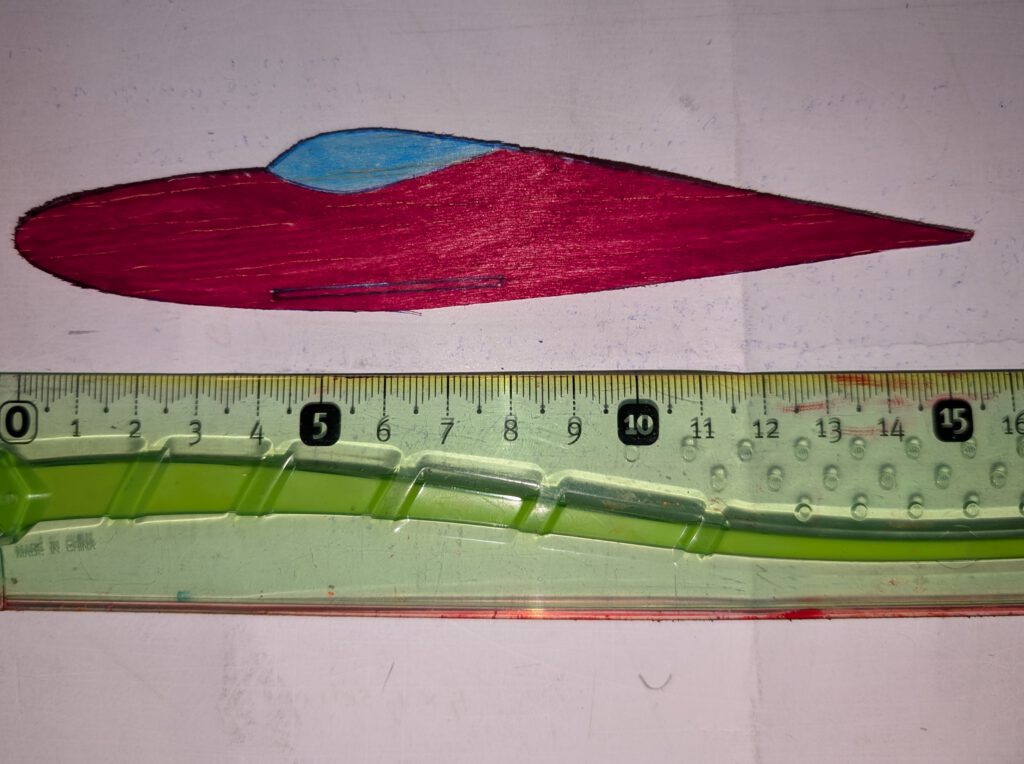
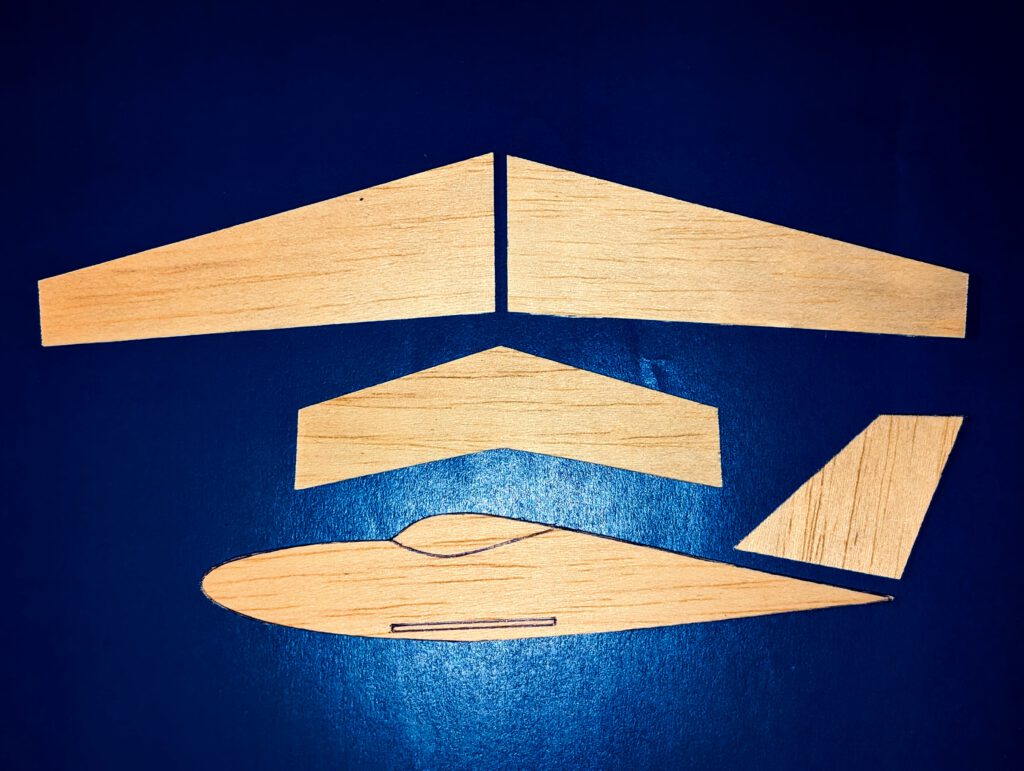
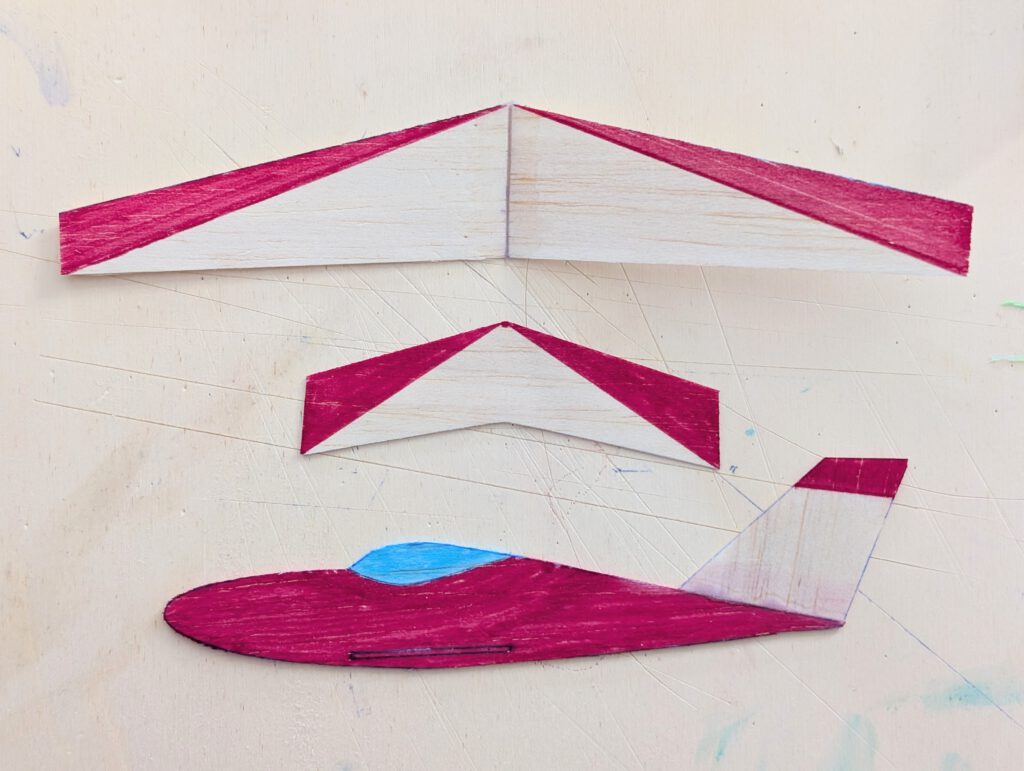
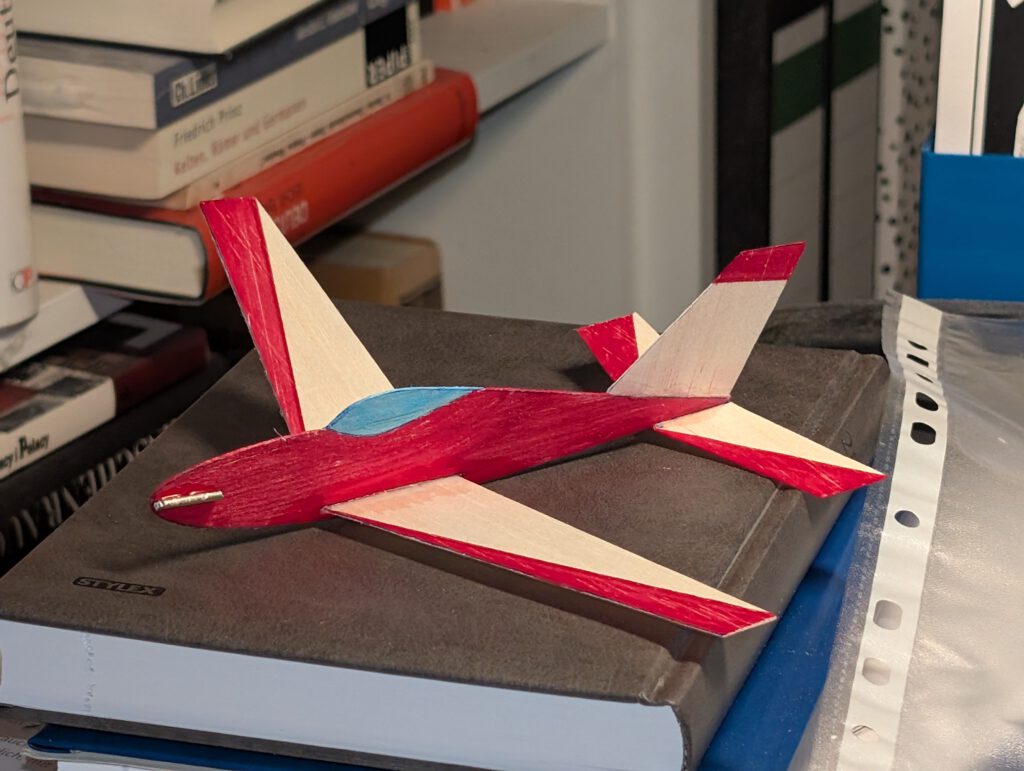
Cut out balsa parts in accordance to plan. Sand well (photo). Transfer outlines of cockpit on fuselage-part. Paint your model at this stage (photo).
Wing:
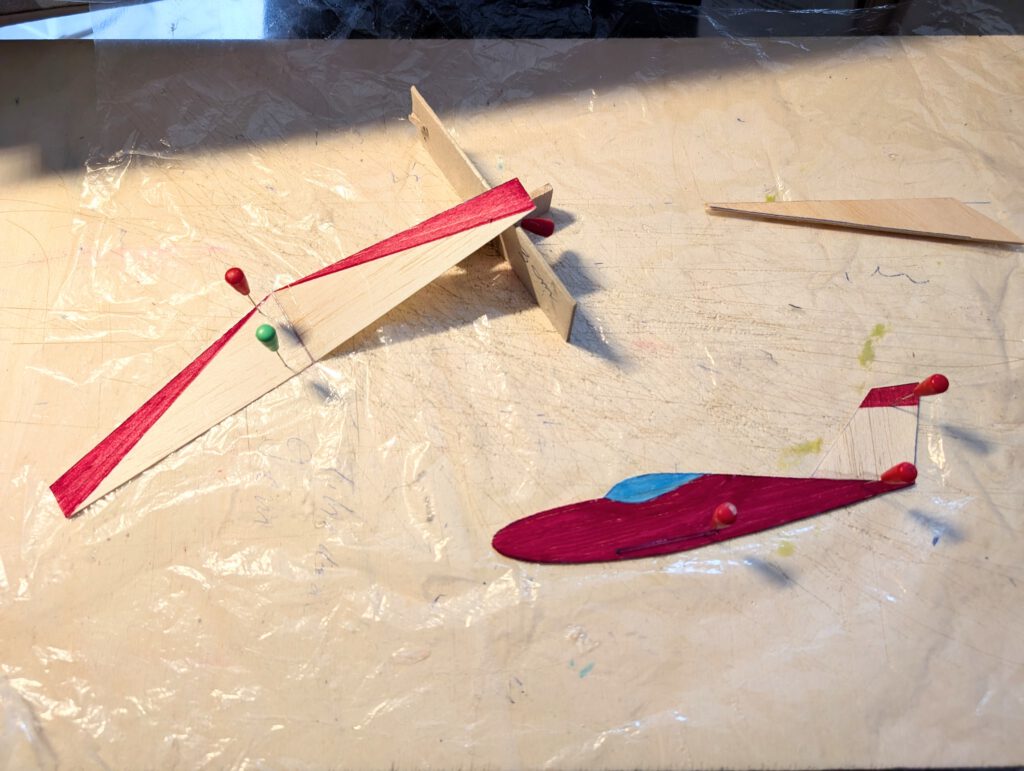
Wing consists of a right and a left wing-half. Fix one wing half on building board with pins. Cement corresponding half by paying attention to dihedral given on plan. Let dry.
If wing has tendency to rest only on one side, then it is too heavy on this side. To compensate the imbalance, disperse a very small amount of white wood glue on the opposite wing tip area underside and let dry.
Fuselage:
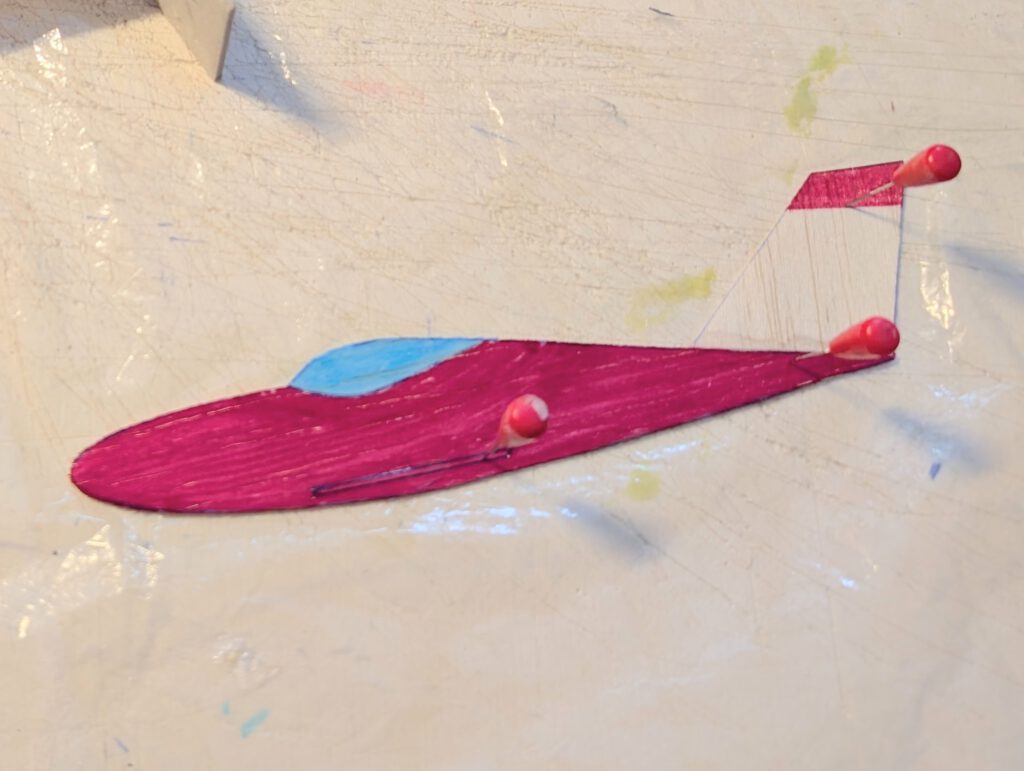
Pin fuselage on building board and cement fin to it. Hold with modelling pins in place (photo).
Final Assembly:
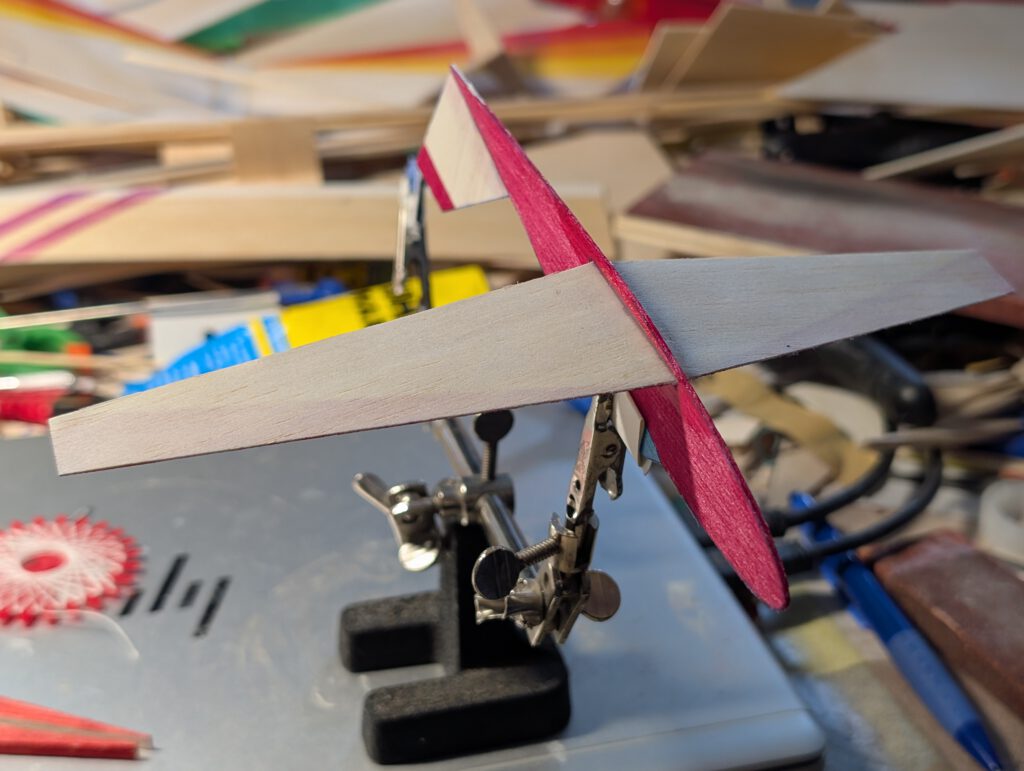
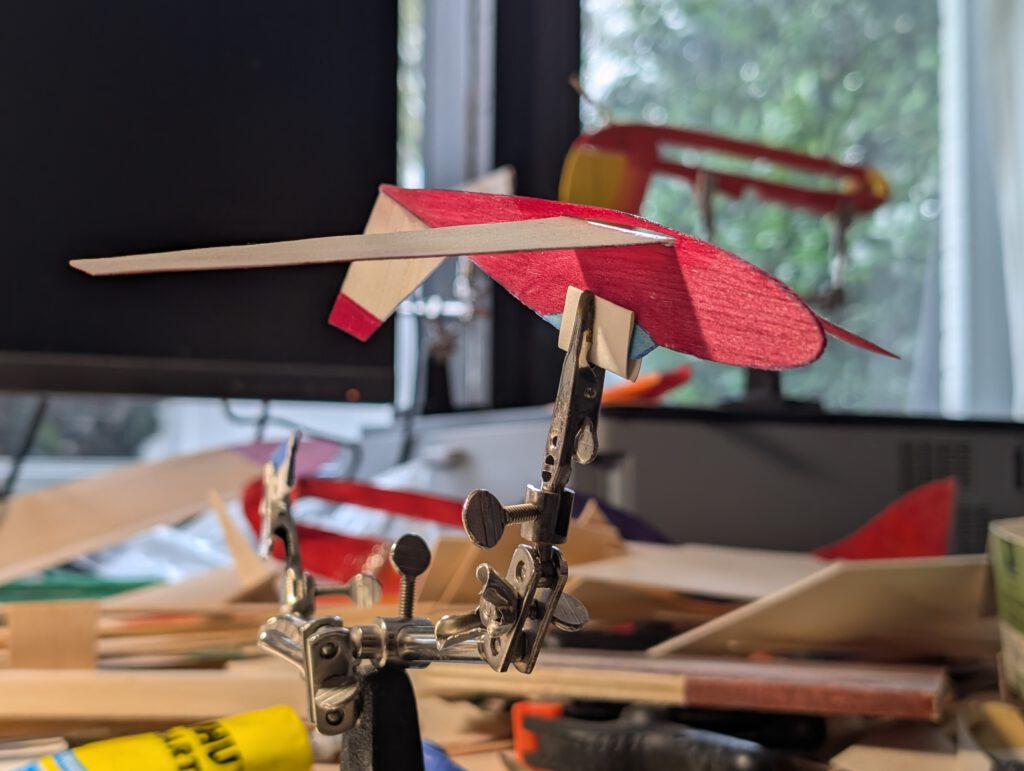
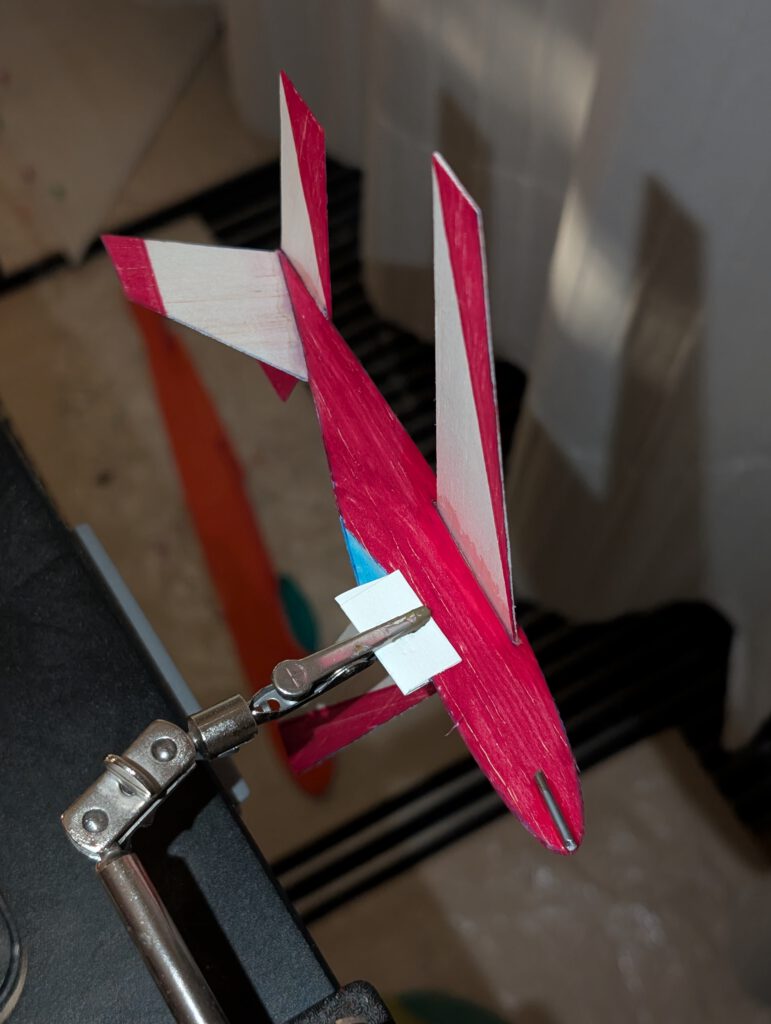
Fix fuselage upside down on so called third hand (photo). Cement wing into fuselage slot. If necessary use pin to hold. Visual-check symmetry from all sides. Let dry.
Cement horizontal stab if necessary using a pin to hold in place. Doublecheck visually symmetry. Let dry.
Remember correct center of gravity (CG) is essential for successful flights.
Start your test glides.
Καλή επιτυχία και καλές προσγειώσεις! (Good luck and good landings!)
Leave a Reply